

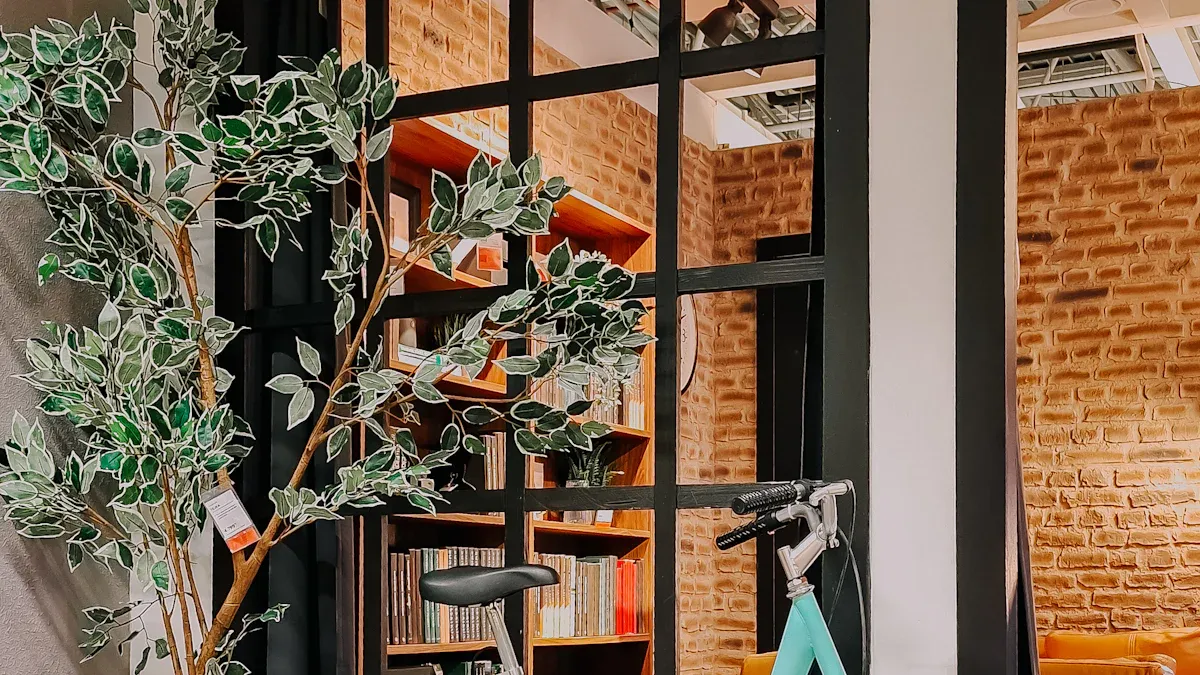
Staying updated with home décor trends for 2026 is vital for creating spaces that feel fresh and inviting. As you think about your living environment, consider how color, materials, and sustainability play significant roles in modern design. For instance, eco-friendly choices not only enhance aesthetics but also contribute to a healthier home. By embracing these trends, you can transform your space into a reflection of your personality while promoting a sustainable lifestyle.
Remember, your home is a canvas. Let these trends inspire you to express your style!
Key Takeaways
Embrace neutral colors like Universal Khaki to create a calm and sophisticated atmosphere in your home.
Incorporate natural materials such as wool and jute to enhance sustainability and aesthetic appeal.
Experiment with color drenching to transform your space and express your personal style.
Choose curvy furniture designs to add warmth and comfort to your living areas.
Focus on personal narratives in your décor by using vintage items that reflect your unique story.
2026 Color Trends
Trending Hues
As we step into 2026, you’ll notice a strong presence of neutral colors like Universal Khaki and Neutral Ground. These shades are not just popular; they bring a sense of calm and sophistication to your home. Universal Khaki, for instance, is more than just a basic color. It has a richness that makes it versatile for various spaces. As Sue Wadden, Director of Color Marketing at Sherwin-Williams, puts it, “Khaki is more than just a neutral-it’s a timeless, go-anywhere shade that brings a sense of grounded elegance to any space.”
This shift towards neutral tones reflects a broader trend in design. People are moving away from bold, flashy colors and embracing a more understated approach. Neutral colors create a backdrop that allows your personal style to shine through. They also make it easier to mix and match different textures and materials, enhancing the overall aesthetic of your home.
Here’s a quick look at some of the top trending paint colors for 2026:
Color Name | Brand | Description |
|---|---|---|
Silhouette | Benjamin Moore | A luxurious deep brown blending espresso with charcoal undertones. |
Warm Mahogany | Glidden | A rich, grounded red, positioned as an ‘anti-trend’ for bold statements. |
Matte Coffee Bean | Krylon | A rich, earthy brown reflecting a cultural shift towards authentic design. |
Special Walnut | Minwax | A warm, earthy brown stain emphasizing wood’s role as a design anchor. |
Hidden Gem | Behr | A smoky jade green, offering a calming yet vibrant blue-green. |
Color Drenching Techniques
One exciting technique gaining traction is color drenching. This method involves saturating a space in a single color, wrapping all surfaces in one hue. It’s a bold move that can dramatically change how a room feels.
When you use color drenching, you alter how light interacts with surfaces. This can create a sense of calm and containment, making your space feel more cohesive. Here are some key points about color drenching:
It can make a room feel larger or smaller depending on the color choice.
Dark colors absorb light, which can create a cozy, intimate atmosphere.
Lighter shades reflect light, helping to open up the space and draw attention to your decor.
For example, imagine a home office drenched in deep teal. This color can promote focus and calm, especially when paired with brass accents and dark wooden furniture. Alternatively, a living room in warm terracotta can feel inviting, especially when you use varying shades for the couch, rugs, and curtains.
Color drenching not only enhances the perception of space but also allows you to express your personality through color. So, why not experiment with this trend in your own home?
Home Décor Trends in Materials
Natural and Innovative Materials
In 2026, you’ll see a strong emphasis on natural materials in home décor. Think about incorporating elements like natural fiber rugs made from wool, cotton, and jute. These rugs often use vegetable dyes, making them not only beautiful but also eco-friendly. This trend reflects a growing desire for sustainability and the aesthetic appeal of organic materials.
You might also want to explore some innovative materials that are gaining popularity:
Seagrass: This material brings earthy textures and calming colors, promoting tranquility in your living spaces.
Water hyacinth: It offers unique textures that stimulate creativity and provide visual interest.
Raffia: With its neutral tones, raffia complements various design styles, creating a harmonious atmosphere.
Rattan: Lightweight and sturdy, rattan adds elegance and a bohemian touch, making it ideal for furniture.
These materials are not just trendy; they are durable and versatile. They blend seamlessly into different interior styles across various rooms, enhancing your home’s overall aesthetic.
Textures and Finishes
When it comes to textures and finishes, 2026 is all about layering and tactile richness. Popular textures include boucle, velvet, marled yarns, utility canvas, and 3D fabrics. These materials invite touch and create a cozy atmosphere.
You’ll also notice a shift towards subtle metallics and glossy surfaces. These finishes add a touch of sophistication without overwhelming your space. The color palette leans towards earthy tones and soft pastels, which help create a warm and inviting environment.
One exciting trend is the resurgence of wood elements and silver accents. Dark wood tones are making a comeback, providing visual weight and psychological grounding. This contrasts beautifully with lighter finishes that have dominated in recent years. True silver, especially with patina, emphasizes a connection to nostalgia and memory, carrying the marks of time and significance.
Another creative trend is painted flooring. While it may not be the dominant style, it offers a budget-friendly way to refresh your spaces. Designers are using this technique to add character and personality to rooms. You can experiment with different colors and patterns to create a unique look that reflects your style.
By incorporating these materials and textures, you can elevate your home décor and create a space that feels both modern and timeless.
Furniture Styles for Comfort
Curvy and Functional Designs
In 2026, you’ll notice a delightful shift towards curvy furniture. This trend emphasizes comfort and functionality, making your living spaces feel inviting. Curved designs evoke feelings of softness and warmth, contrasting sharply with harsh, angular lines. Here are some reasons why curvy furniture is gaining popularity:
Curves create a sense of approachability, making spaces feel more welcoming.
Rounded lines enhance movement, encouraging a flow that sharp edges often disrupt.
For luxury homeowners, these designs add refinement and intimacy, crafting a narrative that straight lines can’t achieve.
Curved furniture pieces, like sofas and chairs, not only serve as functional art but also reflect your personal style. They invite you to relax and enjoy your space, enhancing your overall comfort.
Blending Styles
Another exciting trend is blending modern heritage with traditional elements. As people seek warmth and personalization in their homes, traditional furniture is making a comeback. Designers are incorporating classic shapes and rich materials, such as dark wood and patterned fabrics, to create inviting spaces. Here’s how you can achieve this blend:
Start with a neutral foundation using whites, grays, or soft beiges for walls and floors. This creates a clean backdrop where traditional elements can shine.
Use the 80/20 rule: incorporate 80% of one style and 20% of the other. For example, a majestic traditional mahogany dining table can anchor the room, complemented by modern accents like sleek chairs or contemporary lighting fixtures.
This approach ensures that traditional pieces feel contemporary and relevant. By mixing timeless pieces with modern designs, you create a harmonious environment that reflects your unique taste.
Embracing these furniture styles not only enhances your comfort but also transforms your home into a stylish sanctuary.
Sustainable Home Decor Trends
Eco-Friendly Choices
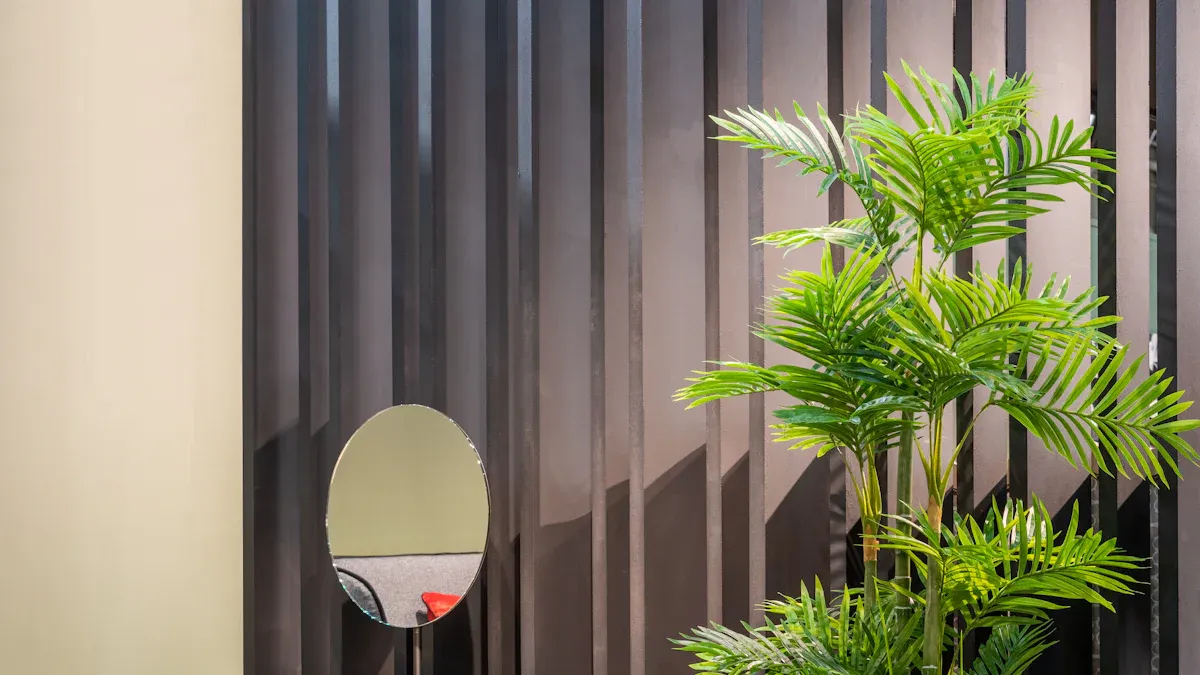
In 2026, eco-friendly materials are taking center stage in home décor. Designers are embracing innovative options like pineapple leather and seaweed fabric. These materials not only look great but also help reduce environmental impact. You can find furniture that generates solar power and is built to last, emphasizing sustainability without sacrificing style.
Using sustainable practices in your home décor can significantly lower your carbon footprint. Recent studies show that these practices reduce waste and conserve natural resources. They also support local artisans, which contributes to a more sustainable lifestyle. In fact, 86% of European shoppers prioritize sustainability when choosing home décor products. This shift reflects a growing awareness of how our choices affect the planet.
Personal Narratives in Design
As we move into 2026, personal narratives are becoming a key element in interior design. Homeowners want their spaces to tell their unique stories. This trend emphasizes comfort and authenticity, steering away from generic aesthetics. You’ll see more vintage elements and sustainable practices that reflect individual experiences and emotions.
The concept of luxury is shifting too. Designers now value authenticity over fleeting trends. People want their homes to feel genuine and lived-in, not just stylish. This change responds to the overwhelming nature of modern design culture, where many homes can feel impersonal. By incorporating personal touches, you can create a space that truly represents who you are.
Embracing these sustainable trends not only enhances your home but also contributes to a healthier planet. So, why not start weaving your story into your décor today?
As we wrap up our exploration of home décor trends for 2026, here are some key takeaways to keep in mind:
Texture: Emphasize depth and sensory richness through materials like bouclé, velvet, and natural elements.
Nostalgia: Focus on personal storytelling with vintage finds and heirlooms that evoke memories.
Warm Colors: Incorporate rich, earthy tones that create a sense of comfort and connection to nature.
Curved Furniture: Highlight organic shapes that add softness and warmth to spaces.
You can personalize your home by blending functionality and comfort. Consider creating gallery walls filled with meaningful art and photos. Use bespoke wallpaper and artisan tiles to add unique touches. Remember, your home should reflect your individuality!
Stay open to evolving styles and ideas in home décor. Embrace these trends, and let your space tell your story! 🌟
FAQ
What are the top home décor trends for 2026?
In 2026, expect to see a focus on neutral colors, natural materials, and sustainable practices. Curved furniture, like curved sofas, will also gain popularity, creating inviting spaces that feel comfortable and stylish.
How can I refresh my home using these trends?
You can refresh your home by incorporating a timeless home color palette with earthy tones. Add textured fabrics and curved furniture to create a cozy atmosphere. Don’t forget to include personal touches that reflect your style!
Why are neutral colors trending in home décor?
Neutral colors provide a calming backdrop that enhances your decor. They allow you to mix and match different elements easily, creating a cohesive aesthetic. This trend emphasizes simplicity and elegance in interior design.
What role does sustainability play in home trends?
Sustainability is crucial in 2026 home trends. Eco-friendly materials and practices help reduce environmental impact. By choosing sustainable decor, you contribute to a healthier planet while enhancing your home’s aesthetic.
How can I incorporate personal narratives into my home decor?
You can incorporate personal narratives by displaying vintage items or artwork that tells your story. Use family heirlooms or travel souvenirs to create a unique atmosphere that reflects your experiences and memories.
