

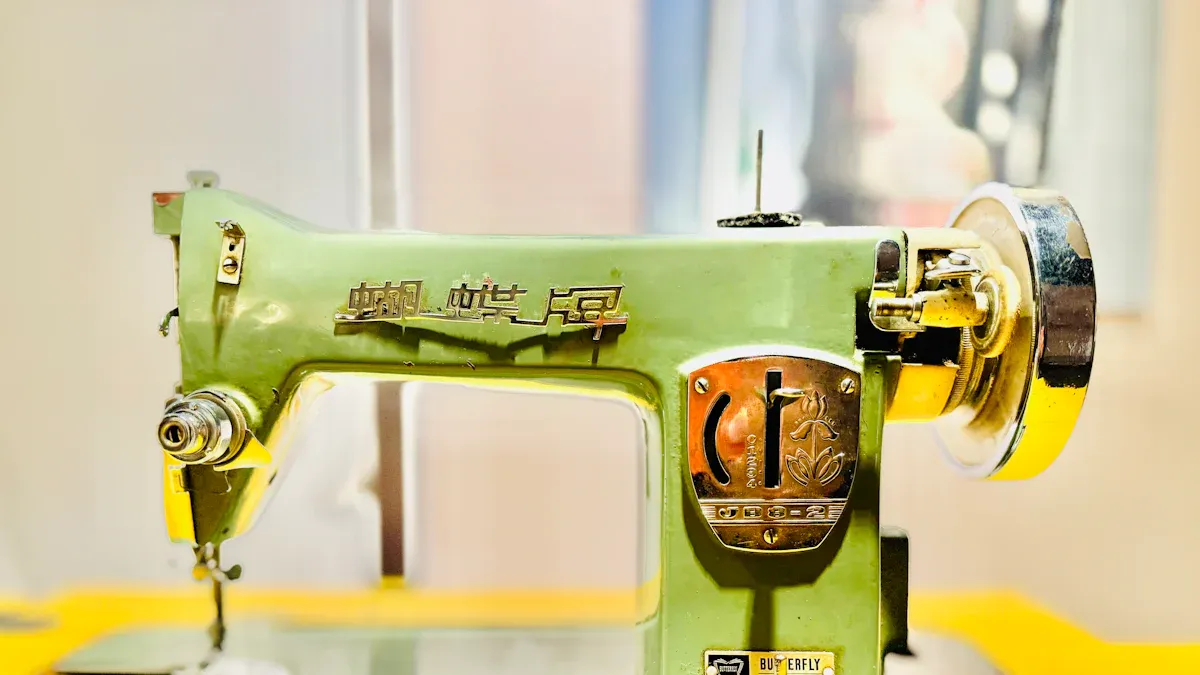
Sustainable sewing is more than just a trend; it’s a movement toward eco-friendly practices that can make a real difference. Did you know that the textile industry contributes to about 10% of global greenhouse gas emissions? By choosing sustainable fabrics and projects, you help reduce this impact. Selecting materials like organic cotton or hemp not only supports the environment but also promotes conscious consumption. So, whether you’re a seasoned sewist or just starting out, your choices can lead to a greener planet!
Key Takeaways
Choose eco-friendly fabrics like organic cotton and hemp to support a healthier planet.
Implement waste-reducing techniques, such as measuring accurately and saving fabric scraps, to minimize environmental impact.
Start with simple sewing projects, like reusable bags or upcycled items, to practice sustainable sewing.
Look for certifications like GOTS to ensure your materials are sustainably sourced.
Join a community of conscious sewists to share ideas and inspire each other toward eco-friendly practices.
Eco-Friendly Fabrics
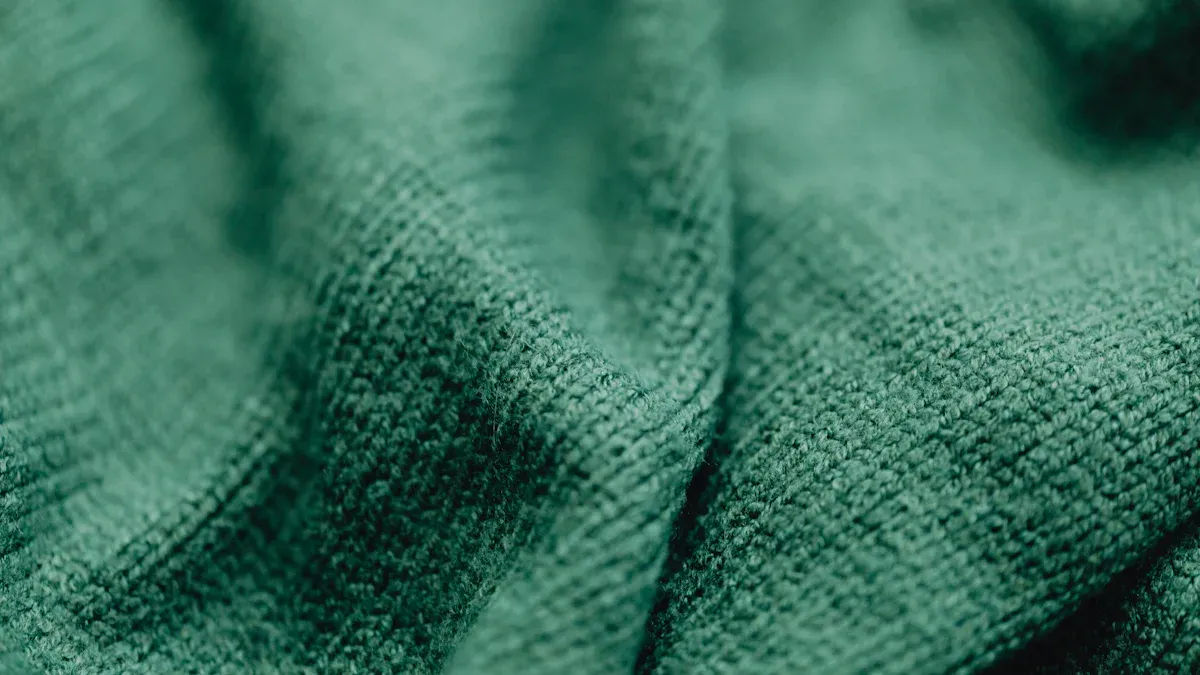
Types of Sustainable Fabrics
When you dive into the world of sustainable sewing, you’ll find a variety of eco-friendly fabrics that can transform your projects. Here are some popular options you might consider:
Organic Cotton: This fabric is grown without synthetic pesticides or fertilizers. It’s not only better for the environment but also soft and versatile for various sewing projects.
Hemp: Known for its strength and durability, hemp grows quickly and requires minimal water. It’s a fantastic choice if you want something that lasts.
Tencel (Lyocell): Made from sustainably sourced wood pulp, Tencel is produced in a closed-loop system that minimizes waste. It’s soft, breathable, and perfect for clothing.
Recycled Polyester: This fabric helps reduce waste by repurposing plastic bottles and other materials. It’s commonly used in activewear and is durable.
Bamboo: Soft and hypoallergenic, bamboo grows rapidly without the need for pesticides. However, be mindful of the production process, as it can impact sustainability.
These fabrics not only look great but also contribute to a healthier planet.
Benefits of Eco-Friendly Fabrics
Choosing sustainable fabrics comes with a host of benefits that extend beyond aesthetics. Here’s why you should consider them for your next sewing project:
Reduced Chemical Use: Eco-friendly fabrics are often produced without harmful chemicals. This means cleaner waterways and healthier ecosystems.
Lower Carbon Emissions: Many sustainable fabrics require less energy to produce, leading to a smaller carbon footprint. For instance, Tencel’s production process emits significantly lower carbon emissions compared to conventional fabrics.
Biodegradable Options: Fabrics like organic cotton and hemp are biodegradable, which means they break down naturally and reduce landfill waste.
Support for Biodiversity: By choosing sustainable materials, you help promote soil health and biodiversity. Organic cotton farming, for example, encourages a diverse ecosystem.
Durability: Many eco-friendly fabrics, such as hemp and recycled polyester, are designed to last. This means your projects can withstand wear and tear while being kind to the environment.
By opting for these materials, you not only enhance your sewing experience but also make a positive impact on the planet. So, the next time you shop for fabric, remember to choose sustainable fabrics that align with your eco-friendly values!
Sustainable Sewing Practices
Sourcing Sustainable Materials
When you embark on your sustainable sewing journey, sourcing the right materials is crucial. Here are some tips to help you find eco-friendly fabrics:
Traceability: Always ensure that you can trace the materials through the supply chain. This means knowing where your fabric comes from and how it was made.
Certifications: Look for third-party certifications like GOTS (Global Organic Textile Standard) or OEKO-TEX. These labels confirm that the fabric meets strict environmental and social criteria.
Ask Questions: Don’t hesitate to ask suppliers about the fiber origin and processing methods. Transparency is key to verifying sustainability claims.
Digital Platforms: Utilize online platforms that connect you with vetted suppliers. These resources can streamline your search for sustainable materials.
By following these steps, you can make informed choices that align with your environmentally conscious stitching goals.
Reducing Waste Techniques
Reducing fabric waste is a vital part of sustainable sewing. Here are some effective techniques to help you minimize waste during your projects:
Measure Twice, Cut Once: Before making your final cut, double-check your measurements. This simple step can prevent unnecessary waste.
Follow Patterns: Use well-designed patterns that maximize fabric usage. Patterns often guide you in cutting fabric efficiently, reducing scraps.
Utilize Piecing: Break larger pieces of fabric into smaller ones. This technique allows you to use every bit of fabric and reduces leftover scraps.
Save Scraps: Keep your leftover fabric! You can use these pieces for future projects, such as creating bows or patchwork items.
Upcycle: Consider repurposing old garments or household linens. Transforming an old shirt into a tote bag or using vintage fabric can breathe new life into materials that might otherwise go to waste.
By implementing these techniques, you can significantly reduce fabric waste and contribute to a more sustainable sewing practice. Remember, every small action counts in making a positive impact on our environment!
Eco-Friendly Projects
Beginner Projects
If you’re new to sewing and want to make a positive impact, there are plenty of beginner-friendly projects you can tackle. Here’s a list of fun and practical ideas that promote eco-friendly practices:
Cooling neck wrap: Perfect for hot days, this project helps you stay cool while reducing waste.
Upcycled jeans tote bag: Transform old jeans into a stylish tote that’s both functional and sustainable.
Reusable makeup remover pads: Ditch disposable cotton pads and create your own eco-friendly alternatives.
DIY tote bag with fold-up pocket: This handy bag is great for shopping and can easily fold up for storage.
Fabric gift wrapping: Say goodbye to single-use wrapping paper and wrap gifts in beautiful fabric instead.
These projects not only help you embrace slow fashion but also encourage you to upcycle and repurpose fabrics. By replacing single-use items with reusable alternatives, you actively reduce waste and promote a more sustainable lifestyle.
Intermediate and Advanced Projects
Once you feel comfortable with basic sewing, you can challenge yourself with intermediate and advanced projects. Here are some innovative ideas that focus on sustainability:
Project Name | Description |
|---|---|
Fabric Doorstop | An accessory that adds a personal touch to any room, featuring a removable cover for easy washing. |
Gift Bag | A reusable and eco-friendly drawstring bag that can be customized with different fabrics. |
Project Type | Description |
|---|---|
Wardrobe Staples | Create versatile, well-fitted pieces that enhance daily life and promote sustainable fashion. |
Creative Expression | Explore artistic designs that reflect your personal style while using eco-friendly materials. |
Heritage Projects | Connect with tradition by using vintage patterns or techniques to create unique garments. |
Advanced projects can incorporate zero-waste design principles. Techniques like pattern efficiency and modular garments help you minimize waste while creating beautiful pieces. By choosing to reuse materials and focusing on sustainable practices, you can make a significant impact on the environment.
Embrace your creativity and let your sewing projects reflect your commitment to sustainability!
Sustainable sewing is more than just a hobby; it’s a way to make a positive impact on the planet. By choosing eco-friendly fabrics and adopting sustainable practices, you contribute to a healthier environment. Remember, every small action counts!
Start your journey today by tackling simple projects or sourcing materials mindfully. Embrace the beauty of slow fashion and create pieces that last. Join the community of conscious sewists who share knowledge and inspire each other. Together, we can make a difference!
FAQ
What are eco-friendly fabrics?
Eco-friendly fabrics are materials made from sustainable resources. They often use fewer chemicals and water during production. Examples include organic cotton, hemp, and Tencel. These fabrics help reduce environmental impact and promote healthier ecosystems.
How can I start sustainable sewing?
Begin by choosing eco-friendly fabrics and sourcing materials responsibly. Look for local suppliers or online platforms that offer sustainable options. Start with simple projects, like reusable bags or upcycled items, to build your skills while being kind to the planet.
Why is reducing waste important in sewing?
Reducing waste in sewing minimizes the environmental impact of fabric production. It helps conserve resources and decreases landfill contributions. By using techniques like measuring accurately and saving scraps, you can create beautiful projects while protecting the environment.
Can I use regular fabric for sustainable projects?
While you can use regular fabric, it’s better to choose sustainable options. Conventional fabrics often involve harmful chemicals and unsustainable practices. Opting for eco-friendly materials enhances your projects’ sustainability and supports a healthier planet.
Where can I find sustainable sewing patterns?
You can find sustainable sewing patterns online through various websites and platforms. Look for designers who focus on eco-friendly practices. Many offer free or affordable patterns that promote waste reduction and sustainable sewing techniques.
