

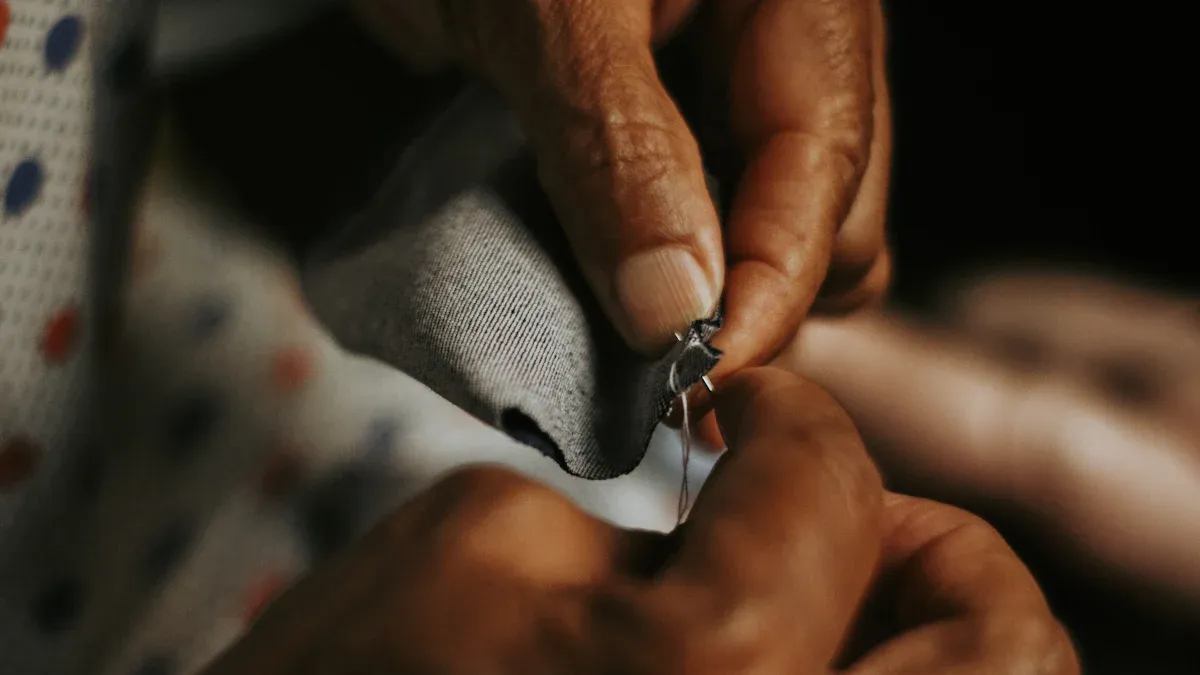
Do you feel the joy of creating something with your own hands? Master hand sewing offers a unique way to express your creativity. It’s accessible to everyone, whether you’re a beginner or a seasoned crafter. Plus, the benefits are plentiful! Engaging in master hand sewing can reduce stress, improve focus, and boost your self-confidence as you complete projects. So why not dive in and learn to sew? Each stitch brings you closer to crafting your unique masterpiece!
Key Takeaways
Start with essential tools like needles, thread, and scissors to make sewing easier and more enjoyable.
Practice basic stitches such as the running stitch and backstitch to build a strong foundation for your sewing projects.
Choose the right fabric and thread for your projects to ensure durability and a professional finish.
Set small, achievable goals and create a dedicated sewing space to enhance focus and organization.
Join online sewing communities for support, inspiration, and to share experiences with fellow sewing enthusiasts.
Hand Sewing Basics
Essential Tools
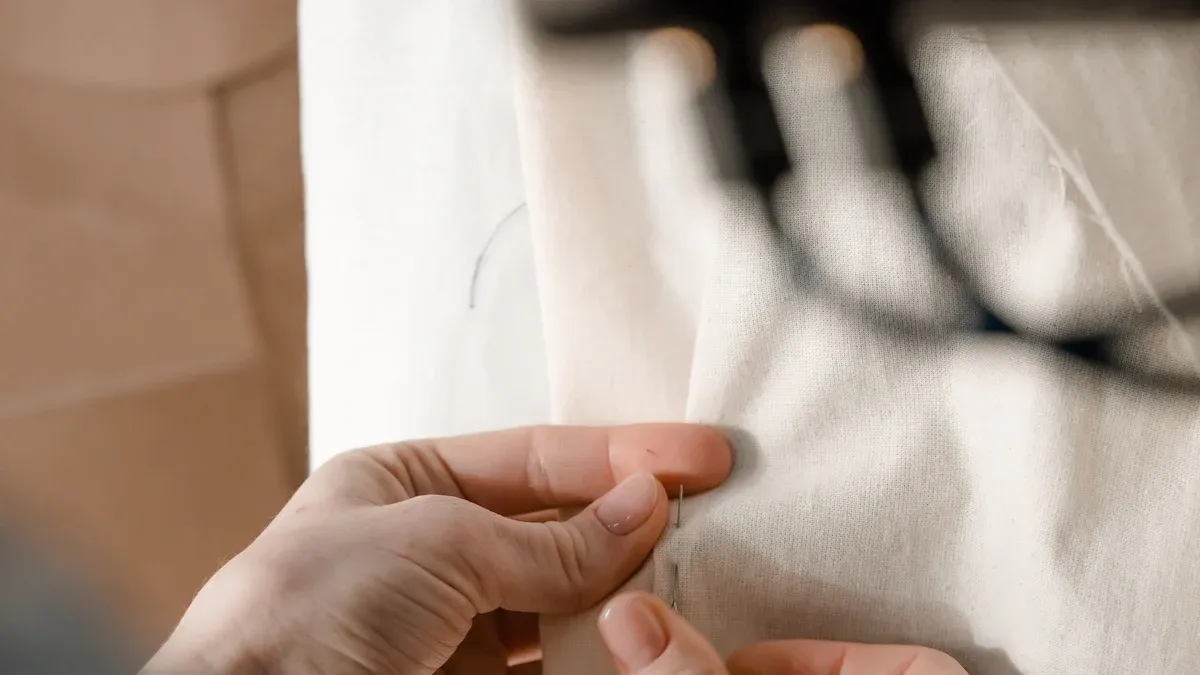
To get started with hand sewing, you need a few essential tools. Having the right supplies makes your projects easier and more enjoyable. Here’s a list of must-have items:
Needles: Choose a variety of needles for different fabrics. For lightweight fabrics, use fine needles. Heavier fabrics require sturdier needles.
Thread: Select high-quality thread that matches your fabric. Cotton is great for lightweight projects, while polyester offers strength and versatility.
Scissors: Invest in a good pair of scissors. Deeinn Sewing Scissors are highly recommended for their sharp blades, making cutting fabric a breeze. Clover Bordeaux Ultimate Scissors are also popular for their smooth cutting action.
Measuring Tools: Accurate measuring tools, like rotary rulers, help you achieve straight cuts and proper fabric alignment. This precision is crucial for successful sewing.
Pins and Clips: Use high-quality pins to hold your fabric pieces together. They enhance precision and ease of use, leading to better finishes in your sewing projects.
Remember, quality tools can significantly impact your project outcomes. For instance, using sharp scissors ensures clean cuts, which are foundational for successful sewing.
Materials Overview
Understanding the materials you’ll work with is just as important as having the right tools. Different fabrics behave differently when sewn, so knowing what to choose is key.
Lightweight Fabrics: Fabrics like chiffon and silk require fine needles and gentle handling. They can be tricky, but the results are often stunning.
Medium-weight Fabrics: Cotton and linen are versatile choices. They work well with standard needles and regular stitch settings, making them perfect for beginners.
Heavy Fabrics: Denim and canvas need larger needles and stronger thread. This prevents issues like skipped stitches and ensures durability.
The choice of thread material also affects the longevity of your projects. Here’s a quick overview:
Thread Material | Strength | Durability | Best Use Case |
|---|---|---|---|
Cotton | Moderate | Low | Soft textures |
Polyester | High | High | Strong seams |
Synthetic | Very High | Very High | Heavy-duty |
Choosing the right combination of fabric, needle, and thread is crucial. It ensures that your garments not only fit well but also last longer.
Always remember to prioritize safety when using your tools. Store pins and needles in a container when not in use, and keep scissors closed to avoid accidents.
With these essential tools and materials, you’re well on your way to mastering hand sewing. So gather your supplies and get ready to create!
Master Hand Sewing Techniques
Basic Stitches
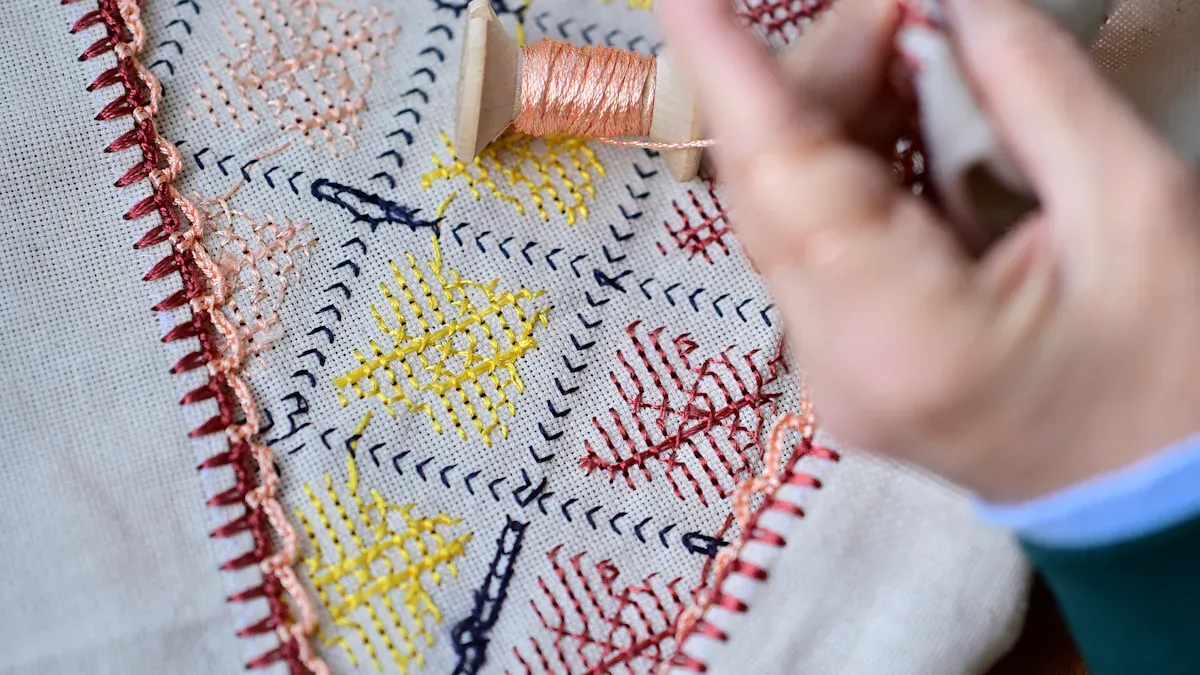
Mastering basic stitches is your first step toward becoming a confident hand sewer. These stitches form the foundation of many sewing projects. Here are some of the most widely used basic hand sewing stitches and their typical applications:
Basting stitch: This temporary stitch holds fabrics together before you sew them permanently.
Running stitch: A simple stitch that attaches fabrics or joins seams.
Back stitch: This stitch provides strong, permanent seams, making it ideal for mending.
Whip stitch: Perfect for hemming, it encloses fabric edges neatly.
Overcast stitch: This stitch finishes fabric edges to prevent unraveling.
Catch stitch: Great for hems that require a bit of stretch.
Blanket stitch: Use this to edge blankets or create buttonholes.
Ladder stitch: An invisible stitch, perfect for hemming without visible threads.
Vertical hem stitch: This stitch allows you to hem without visible threads on the front.
Half back stitch: A decorative stitch that is half the length of the previous stitch.
These basic stitches will help you tackle various projects with confidence. As you practice, you’ll find that each stitch has its unique charm and purpose.
Advanced Techniques
Once you feel comfortable with the basics, it’s time to explore advanced sewing techniques. These methods can elevate your craft projects and add a personal touch. Here are some effective advanced hand sewing techniques:
Technique | Description |
|---|---|
Hand-stitched Buttonholes | These buttonholes offer a more durable and tailored finish compared to machine-made ones. |
Decorative Hand Embroidery | Personalize your garments with beautiful designs using stitches like satin stitch and French knots. |
In addition to these techniques, consider using the following stitches for specific applications:
Whip Stitch: Easy for hemming and gives a clean finish.
Catch Stitch: Great for front-facing fabrics, allowing for a bit of stretch.
Basting Stitch: Holds fabric pieces together temporarily.
Running Stitch: A common basic stitch that’s versatile.
Back Stitch: Strong and reliable for mending seams.
As you dive into these advanced techniques, be mindful of common mistakes. Avoid using the wrong supplies, like inappropriate thread or needles. Employing incorrect techniques can lead to disappointing results. Always pay attention to essential steps and details during the sewing process to achieve the best outcomes.
With practice, you’ll find that these advanced sewing techniques not only enhance your skills but also allow you to express your creativity in exciting new ways. So grab your needle and thread, and let your imagination run wild!
Craft Project Applications
Beginner Projects
Starting with beginner projects is a great way to build your confidence in hand sewing. Here are some fun and simple ideas to get you started:
Felt Coasters: These are quick to make and perfect for practicing basic stitches. You can cut out fun shapes and sew them together.
Simple Pouches: Create small pouches for storing sewing supplies or other small items. This project helps you practice sewing straight lines.
Fabric Bookmarks: Use scraps of fabric to make personalized bookmarks. This project is not only easy but also a great gift idea!
Pin Cushions: A handy tool for any sewer! You can create a cute pin cushion in various shapes, like a tomato or a simple square.
For these projects, you’ll need basic materials like a needle, thread, pins or clips, and felt. Optional items like a needle threader can make your sewing experience smoother.
Intermediate Projects
Once you feel comfortable with the basics, it’s time to challenge yourself with intermediate projects. These will help you refine your skills and learn new techniques. Here are some suggestions:
Pocket Tote Bag: This project involves adding lining and pockets, which will teach you about structure and design.
Diaper Bag: A practical project that features compartments and water-resistant lining.
Leather Wallet: This project encourages precision and attention to detail, perfect for honing your skills.
Apron: Create an apron with pockets and adjustable straps, allowing you to practice various sewing techniques.
Stuffed Soft Toys: Experiment with shapes and stuffing, making this a fun and creative project.
As you tackle these intermediate projects, you’ll master techniques like darts and seam finishes. You’ll also learn to adjust patterns for a better fit and work with different fabrics.
Remember, each project is a step toward becoming a more skilled sewer. Enjoy the process and don’t rush!
Tips for Improvement
Learning Resources
To enhance your hand sewing skills, tap into a variety of learning resources. Here are some excellent options to consider:
Resource Name | Description | Link |
|---|---|---|
We All Sew | A web-resource for sewers of all ages and skill levels with projects, patterns, and tips. | Visit |
Home Hobbies: Sewing Resources at Home | Offers a variety of resources and options to find local pros. | Visit |
Learning How to Sew Clothing | Overview of sewing from fabric to tools and basic tutorials. | Visit |
Hand Sewing Graphic Organizer | A graphic organizer for hand sewing techniques. | Visit |
Hand Sewing Basic Stitches | A resource for learning basic hand sewing stitches. | Visit |
The Geometry of Hand-Sewing | A guide on hand-stitching techniques with geometric diagrams. | Visit |
These resources can provide you with valuable insights and techniques to improve your sewing projects.
Practice Suggestions
Regular practice is key to mastering hand sewing skills. Here are some tips to help you develop a consistent practice routine:
Schedule Your Sessions: Aim for a specific frequency based on your experience level. For beginners, practicing four times a week for 30–45 minutes can yield noticeable improvement. Intermediate sewers might benefit from three sessions of 45–60 minutes, while advanced crafters can practice twice a week for 60–90 minutes.
Experiment with Fabrics: Try different materials and patterns to challenge yourself. This not only keeps things interesting but also helps you learn how various fabrics behave.
Learn from Mistakes: Analyze what went wrong in your projects. Each mistake is a learning opportunity that can refine your skills.
Join Online Communities: Engaging with fellow sewing enthusiasts can provide support and inspiration. You’ll find that sharing experiences and tips can enhance your learning journey.
By incorporating these suggestions into your routine, you’ll see your hand sewing skills flourish. Remember, every stitch you take brings you closer to becoming a confident sewer!
Hand sewing opens up a world of creativity and personal satisfaction. You’ve learned essential tools, basic stitches, and advanced techniques that will help you tackle various projects. Here are some key takeaways to remember:
Master foundational stitches like the running stitch and backstitch for versatility and durability.
Understand the importance of fabric preparation to avoid issues like shrinkage and distortion.
Utilize ergonomic practices to enhance sewing efficiency and comfort.
As you embark on your hand sewing journey, consider setting small, achievable goals. Here are some strategies to help you succeed:
Create a dedicated sewing space to enhance focus and organization.
Schedule specific sewing times, treating them as important appointments.
Keep projects manageable by breaking them into smaller tasks.
Remember, each stitch you take brings you closer to your creative vision. Enjoy the process, and don’t hesitate to reward yourself for your accomplishments!
FAQ
What is the best way to start hand sewing?
Begin with simple projects like felt coasters or fabric bookmarks. Gather essential tools like needles, thread, and scissors. Practice basic stitches to build your confidence.
How do I choose the right fabric for my project?
Select fabric based on your project’s needs. Lightweight fabrics work for delicate items, while heavier fabrics suit durable projects. Always consider the needle and thread compatibility.
Can I use regular thread for all fabrics?
Not really! Use cotton thread for lightweight fabrics and polyester for heavier ones. Always match the thread type to your fabric for the best results.
How can I improve my hand sewing skills?
Practice regularly! Try new techniques, experiment with different fabrics, and learn from mistakes. Joining online sewing communities can also provide support and inspiration.
What should I do if I make a mistake while sewing?
Don’t worry! Mistakes happen. You can often fix them by carefully unpicking stitches or adjusting your fabric. Learn from each error to improve your skills.
