

In case you want a pro-grade finish that feels intentional, you can’t treat wax as an afterthought. The right art paint wax lets you control sheen, lock in color, build texture, or add metallic highlights without muddying your work. But each option behaves differently on different surfaces, and your results can shift fast with small changes in application. Before you choose, it helps to know what these six waxes actually do well-and where they don’t.
| R & F Handmade Paints Impasto Modeling Wax 333 ml Cake |

| Best for Texture | Wax type: Microcrystalline + beeswax blend | Primary use: Impasto/texturing wax (encaustic) | Form factor: Wax cake | VIEW LATEST PRICE | Read Our Analysis |
| FolkArt Home Decor Chalk Paint Clear Wax 8oz |
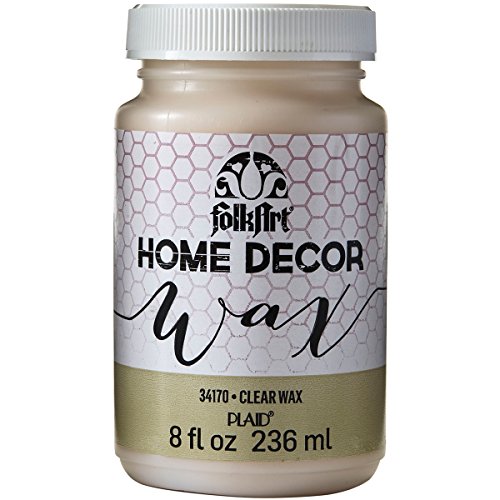
| Best Beginner Pick | Wax type: Paraffin-infused clear wax | Primary use: Clear sealer/protectant (chalk decor) | Form factor: Bottle wax | VIEW LATEST PRICE | Read Our Analysis |
| FolkArt Home Decor Chalk Waxes and Finishes Set, |

| Best Variety Set | Wax type: Water-based wax/finishes (chalk system) | Primary use: Layering/distressing finishes (chalk decor) | Form factor: Set/kit (multiple finishes) | VIEW LATEST PRICE | Read Our Analysis |
| FolkArt Home Decor Chalk Paint Clear Wax (16 oz) |
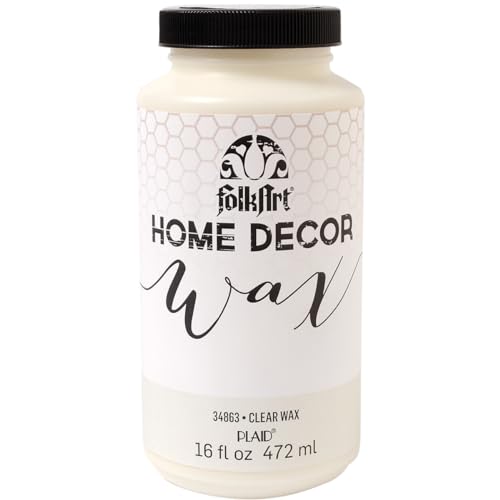
| Best Value Size | Wax type: Paraffin-infused clear wax | Primary use: Clear sealer/protectant (furniture/crafts) | Form factor: Bottle wax | VIEW LATEST PRICE | Read Our Analysis |
| Colorantic Gold Beeswax Furniture Wax Paste (8 oz) |

| Best Food-Safe Wax | Wax type: Beeswax paste (gold tint) | Primary use: Protective finishing/polish (wood/chalk paint) | Form factor: Paste wax tin | VIEW LATEST PRICE | Read Our Analysis |
| REALART Candle Wax Paint Pen Decorating Kit (6 Colors) |

| Best for Candles | Wax type: Pigmented pure wax (pen format) | Primary use: Candle decorating/painting wax | Form factor: Paint pen kit | VIEW LATEST PRICE | Read Our Analysis |
More Details on Our Top Picks
R & F Handmade Paints Impasto Modeling Wax 333 ml Cake
Should you want bold, sculptural texture that holds its shape, R & F Handmade Paints Impasto Modeling Wax is the wax cake to reach for. You get a 333 ml cake made from a blend of microcrystalline petroleum waxes and beeswax, built for casting, carving, and layering heavy relief. With a 175°F (79°C) melting point-higher than typical encaustic wax at about 162°F (72°C)-you can paint and fuse encaustic over your built-up forms without slumping or dulling the impasto edge. Use it under encaustic paints to push mixed-media depth.
- Wax type:Microcrystalline + beeswax blend
- Primary use:Impasto/texturing wax (encaustic)
- Form factor:Wax cake
- Color/clarity:Natural/untinted wax
- Application method:Melt/shape; layer/build texture
- Project surfaces:Encaustic surfaces (under encaustic paint)
- Additional Feature:Higher melting point
- Additional Feature:Sculptural texture building
- Additional Feature:Encaustic-compatible layering
FolkArt Home Decor Chalk Paint Clear Wax 8oz
FolkArt Home Decor Clear Wax 8oz fits you best in case you want a no-fuss, paraffin-infused topcoat that seals chalk-painted décor without changing the color. It comes in an easy 8 oz bottle and pairs nicely with the FolkArt Home Décor Wax Paint Brush for quick coverage.
Load a small amount and apply in downward, circular motions, pushing wax into crevices and details. Let it dry 1–2 hours, then buff with a soft cloth-more buffing means more gloss. Wipe excess immediately with a paper towel. Keep pieces dry and lightly used for 7 days, then reapply every 6–12 months.
- Wax type:Paraffin-infused clear wax
- Primary use:Clear sealer/protectant (chalk decor)
- Form factor:Bottle wax
- Color/clarity:Clear
- Application method:Brush on; dry; buff
- Project surfaces:DIY home décor surfaces (chalk paint)
- Additional Feature:1–2 hour dry
- Additional Feature:7-day curing time
- Additional Feature:Reapply every 6–12 months
FolkArt Home Decor Chalk Waxes and Finishes Set,
Crafters who love a soft, chalky finish with room to experiment will appreciate the FolkArt Home Decor Chalk Waxes and Finishes Set for its easy layering and distressing effects. You can build depth through waxing, buffing, and selectively distressing to bring out details on wood, metal, or painted décor. The water-based, non-toxic formula keeps your workspace safer and your application forgiving, while cleanup stays simple with soap and water. You can use it on indoor pieces or take it outside; just seal outdoor projects with FolkArt Home Decor Varnish for lasting protection.
- Wax type:Water-based wax/finishes (chalk system)
- Primary use:Layering/distressing finishes (chalk decor)
- Form factor:Set/kit (multiple finishes)
- Color/clarity:Assorted finishes (set)
- Application method:Brush/wipe on; layer/distress
- Project surfaces:Indoor/outdoor craft décor surfaces
- Additional Feature:Water-based formula
- Additional Feature:Non-toxic finish
- Additional Feature:Soap-and-water cleanup
FolkArt Home Decor Chalk Paint Clear Wax (16 oz)
DIY furniture flips and chalk-painted décor pieces get a reliable topcoat with Home Decor Chalk Paint Clear Wax-a paraffin‑infused, clear sealer that protects without changing your color. You’ll get it in a convenient 16 oz bottle, and you can apply it with a brush using a downward, circular motion. Work the wax into crevices and carved details so every edge seals. Let it dry 1–2 hours, then buff with a soft cloth; the more you buff, the glossier it looks. Wipe excess with a paper towel, keep it dry, and avoid heavy use for 7 days. Recoat every 6–12 months. FolkArt’s trusted.
- Wax type:Paraffin-infused clear wax
- Primary use:Clear sealer/protectant (furniture/crafts)
- Form factor:Bottle wax
- Color/clarity:Clear
- Application method:Brush on; dry; buff
- Project surfaces:Furniture & craft surfaces (chalk paint)
- Additional Feature:1–2 hour dry
- Additional Feature:7-day curing time
- Additional Feature:Reapply every 6–12 months
Colorantic Gold Beeswax Furniture Wax Paste (8 oz)
Colorantic Gold Beeswax Furniture Wax Paste (8 oz) suits you in case you want a creamy, strong wax that both protects chalk-painted pieces and adds a warm metallic glow without looking overdone. You’ll get a polishable finish for home décor, crafts, and DIY furniture, plus a protective coat on finished or unfinished wood.
Apply it with Colorantic’s round wax brush to keep product on the surface, not on your rags. Should you be layering effects, lay down clear wax initially, then add gold (or any of the six colors). Choose 8 oz for bigger jobs. It’s food-grade and backed by a family-owned North American brand.
- Wax type:Beeswax paste (gold tint)
- Primary use:Protective finishing/polish (wood/chalk paint)
- Form factor:Paste wax tin
- Color/clarity:Gold
- Application method:Rub/brush on paste; buff/polish
- Project surfaces:Wood + chalk-painted surfaces
- Additional Feature:Food-grade safe
- Additional Feature:Six color options
- Additional Feature:Family-owned brand
REALART Candle Wax Paint Pen Decorating Kit (6 Colors)
In case you want a clean, controlled way to personalize candles, the REALART Candle Wax Paint Pen Decorating Kit (6 Colors) stands out thanks to its pen-tip outlet that lets you draw fine lines, write blessing words, and fill in intricate shapes without the mess of brushing on wax. You’ll work with non-toxic pigments blended with pure wax, so your designs burn down with the candle and won’t leave residue behind. Pick from regular, glitter, metallic, glow-in-the-dark, or mixed series to match your style. It’s great for birthdays, weddings, and holidays, and support’s ready should issues come up.
- Wax type:Pigmented pure wax (pen format)
- Primary use:Candle decorating/painting wax
- Form factor:Paint pen kit
- Color/clarity:Multi-color (6 colors)
- Application method:Draw/paint with pen tip
- Project surfaces:Candles (wax surface)
- Additional Feature:Pen-tip precision
- Additional Feature:Burns without residue
- Additional Feature:Multiple color series
Factors to Consider When Choosing Art Paint Waxes
At the time you choose art paint waxes, you’ll want to compare the wax type and blend and match them to your intended technique. Check the melting point range and make sure the wax works with your surface, regardless of whether it’s paper, wood, canvas, or mixed media. Finally, consider how much transparency and what kind of sheen you want, since both affect color depth and finish.
Wax Type And Blend
Although many art paint waxes look similar in the jar, the wax type and blend you choose shape everything from texture to long-term stability. Microcrystalline wax typically feels tackier and more flexible, while beeswax brings a warmer, creamier body, and paraffin tends to set harder with a higher snap. In case you want a balanced feel, you can choose blends like microcrystalline plus beeswax, which pair hardness with workable pliability for raised detail and tactile surfaces. Pay attention to melting point: higher-melt blends resist slumping, so your built-up layers stay stable at room temperature. Also check how the blend bonds with your paint or finish; different formulas change adhesion, durability, and whether you’ll get glassy smoothness or pronounced texture. Medium compatibility matters, especially with encaustic or chalk paint.
Intended Art Technique
Technique acts as your roadmap, so pick an art paint wax that behaves the way your process demands. Should you build heavy textures or sculptural, three-dimensional forms, choose a wax with strong body and sculpting performance. For mixed-media work, you’ll want a wax that layers cleanly and plays well with encaustic paints and other materials without resisting adhesion or smearing detail. Match the finish to your intent: use clear wax whenever you need subtle protection and sealing, or colored wax whenever you want decorative improvement and tonal shifts. Once sheen matters, select a wax you can buff to anything from matte to glossy. Finally, confirm the formulation suits your medium and lets you apply, draw into, carve, and manipulate it easily.
Melting Point Range
Because heat controls how wax behaves on your surface, the melting point range should guide your choice as much as color or finish. Most art paint waxes melt around 160°F–180°F (71°C–82°C), and that span changes how well your marks stay crisp. In the event that you build three-dimensional layers or carve sculptural textures, pick a higher-melt wax near 175°F (79°C) so forms won’t slump whenever you reheat or handle the piece. A higher melting point also lets you lay it under lower-melting encaustic paints without flattening details as you fuse. Still, you need workability: choose a wax that stays solid while you apply it, yet softens predictably under your heat tool. Finally, consider studio conditions-higher-melt wax resists softening from warm lights, sun, or nearby heat sources.
Surface Compatibility
On top of everything else, match your art paint wax to the surface you’re actually coating, since formulas made for wood, chalk-painted furniture, candles, or encaustic bases don’t behave the same. Pick a wax engineered to bond with your base so it adheres evenly and holds up over time.
Check porosity initially. Bare wood and chalk paint drink in product, so you’ll want a wax that seals and protects without clogging carved details or brush texture. Denser, rigid, or sculptural grounds often do better with waxes meant to build body and grip instead of soaking in. Should you be finishing wooden utensils or boards, choose a food-contact-safe wax to avoid unwanted residues. For indoor work or delicate surfaces, non-toxic, water-based waxes reduce odor, simplify cleanup, and lessen the risk of surface damage.
Transparency And Sheen
Nail down your wax’s transparency and sheen before you start, since they decide what stays visible and what gets visually “finished.” A more transparent wax lets the foundational paint, grain, and texture show through, while a more opaque or hazing formula can soften details and shift color.
In the event you’ve layered glazing or brushwork you want to preserve, pick a wax that dries clear and smooth, so it won’t yellow or cloud your colors. Should you be aiming to unify busy marks or mute contrast, a slightly hazing wax can intentionally mellow the surface. Sheen matters just as much: matte keeps things velvety and understated, while gloss enhances depth and saturation. You also control shine with your hands-buff more for higher gloss and a slicker look. Match both qualities to your intended effect.
Drying And Cure Time
Even though a wax feels dry to the touch, its drying and full cure happen on different timelines that affect at what point you can buff, handle, or put the piece into service. Most art paint waxes dry in about 1–2 hours, so you can carefully handle the surface and begin buffing for more gloss and a smoother feel. Don’t rush it-buff only once the wax no longer feels tacky, or you’ll drag and dull the finish.
Curing takes longer. Keep the piece moisture-free and avoid heavy use for up to 7 days so the protective layer hardens evenly. Temperature and humidity can speed up or slow down both stages, so adjust your schedule. Plan on reapplying every 6–12 months to keep the look consistent.
Safety And Toxicity
Because you’ll often apply art paint wax in small, enclosed spaces and then handle the finished piece, safety and toxicity should drive your choice as much as sheen or hardness. Start upon checking the label for “non-toxic,” especially provided kids or pets share the area or could touch the work. Watch for petroleum-based ingredients such as microcrystalline wax; they can release fumes, so you’ll need good ventilation and extra care during use. Provided your project will touch food-think wooden spoons, boards, or utensil handles-choose a food-grade wax to reduce risk. For decorative candles, pick waxes that burn cleanly and don’t leave sooty residue. Finally, follow the manufacturer’s safety directions to limit skin contact and exposure risks.
Application Tools Needed
Should you want your wax to lay down smoothly and cure into an even finish, you’ll need the right tools on hand before you start. Use brushes made for wax application because they spread product evenly and reach crevices, carvings, and other detailed areas without skipping. A round wax brush gives you better control over how much wax you load and lay down, so you’ll waste less and keep drips and smears to a minimum. At the time you apply, work in circular, downward strokes to push wax into texture and leave consistent coverage. Keep paper towels nearby for quick wipe-ups of excess wax during or immediately following application. After the wax dries, switch to a soft cloth to buff and dial in your sheen.
Frequently Asked Questions
What’s the Difference Between Wax Mediums and Varnishes for Paintings?
You’ll mix wax mediums into paint to alter body, sheen, and handling, becoming part of the paint film. You’ll apply varnishes on top after drying to protect, unify gloss, and remain removable later.
Can Paint Waxes Be Safely Used on Flexible Supports Like Canvas or Fabric?
Yes, you can use paint waxes on flexible canvas, but you’ll risk instant-crackle disaster should you overdo it. Apply ultra-thin layers on rigidly-stretched fabric, let paint fully cure, and avoid heavy flexing or rolling.
How Do I Remove or Reverse a Wax Layer Without Damaging Underlying Paint?
You’ll remove wax through warming it gently with a hair dryer, then blotting with paper. Use odorless mineral spirits on swabs, testing initially. Work slowly, avoid scrubbing, and stop should paint lifts.
Are Paint Waxes Archival, and Do They Yellow or Crack Over Time?
Paint waxes aren’t fully archival; they can yellow, bloom, or crack as they age, especially in heat or darkness. You’ll minimize risk through using microcrystalline wax, applying thinly, and keeping stable storage conditions.
Which Brushes or Tools Work Best for Buffing Wax to a High Sheen?
Hit the ground running: you’ll get the highest sheen using soft cotton cloths, microfiber pads, and a clean shoe-shine brush. You’ll also like short, stiff hog-bristle brushes for initial work, then buff.
