
You want cool drape, crisp stitch definition, and durable natural fiber that softens with wear. You’ll find fingering linen-blends for airy tops, pure linen lace for delicate openwork, and worsted linen for structured bags or dishcloths. I’ll walk you through five standout options and what to watch for in gauge, colorfastness, and care-so you can pick the yarn that actually behaves once it’s wet-blocked and worn.
| Linen Blend Fingering Weight Yarn 50g (#03) |

| Best Lightweight Blend | Fiber Content: Linen blend (19% linen, 44% cotton, 37% viscose) | Weight (total or unit): 50 g ball | Intended Use: Summer tops, vests, baby/children’s wear, general knitting/crochet | VIEW LATEST PRICE | Read Our Analysis |
| Lily Sugar’n Cream Scrub Off Linen Cotton Yarn (6-Pack) |

| Best for Cleaning Projects | Fiber Content: 100% cotton (marketed for scrub/linen effect) | Weight (total or unit): 75 g per skein (6-skein pack; total 450 g) | Intended Use: Crocheting/knitting and kitchen cleaning (scrub/utility projects) | VIEW LATEST PRICE | Read Our Analysis |
| 100% Linen Yarn for Knitting & Crochet (500g) |

| Most Versatile Bulk | Fiber Content: 100% linen (listed; some listings note synthetic-fiber ambiguity) | Weight (total or unit): 500 g pack (individual item also listed as 50 g) | Intended Use: Knitting, crochet, lace knitting, hand knitting | VIEW LATEST PRICE | Read Our Analysis |
| 100% Linen Lace Yarn for Knitting (500g Color 33) |

| Best Lace Weight | Fiber Content: 100% natural linen | Weight (total or unit): 500 g package | Intended Use: Lace knitting, hand knitting, crochet threads | VIEW LATEST PRICE | Read Our Analysis |
| 100% Linen Yarn 500g for Knitting (Color 27) |
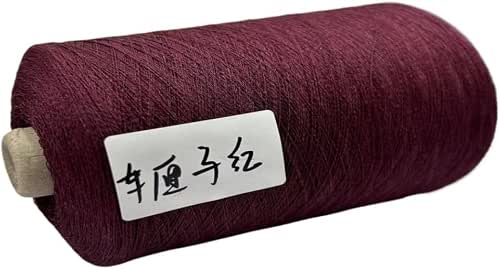
| Best Solid-Color Option | Fiber Content: 100% linen | Weight (total or unit): 500 g total | Intended Use: Lace knitting, hand knitting, crochet threads | VIEW LATEST PRICE | Read Our Analysis |
More Details on Our Top Picks
Linen Blend Fingering Weight Yarn 50g (#03)
Should you want a cool, breathable yarn for warm-weather garments, this linen blend fingering weight is an excellent choice - its 19% linen with cotton and viscose gives a textured yet soft fabric with good drape, so you’ll get lightweight tops, vests, and children’s pieces that feel comfortable against the skin. You’ll work with 50 g balls offering 120 m, ideal on 4.0 mm needles for a 20–22 sts / 24–26 rows 10×10 cm gauge. It absorbs moisture, stays cool, and needs 4–6 balls for adult tops. Hand wash cold and lay flat to dry to keep shape.
- Fiber Content:Linen blend (19% linen, 44% cotton, 37% viscose)
- Weight (total or unit):50 g ball
- Intended Use:Summer tops, vests, baby/children’s wear, general knitting/crochet
- Seasonality / Feel:Cool feel, breathable-ideal for warm weather
- Recommended Tools / Gauge Range:Fingering/sport - gauge 20–22 sts on 4.0 mm (suggested needle 4.0 mm)
- Care / Durability Notes:Hand wash cold; lay flat to dry
- Additional Feature:Blended linen/cotton/viscose
- Additional Feature:120 m per ball
- Additional Feature:Cool, high moisture absorption
Lily Sugar’n Cream Scrub Off Linen Cotton Yarn (6-Pack)
Should you want a durable, multiuse worsted cotton that tackles kitchen messes and still knits into soft, practical dishcloths, the Lily Sugar’n Cream Scrub Off Linen 6-pack is a smart pick. You’ll get six 2.6 oz/75 g skeins (106 yd/97 m each) from the same dye lot, plus a 13 x 16″ drawstring project bag with shoulder straps. This 100% cotton, worsted #4 yarn combines absorbent fiber with a scouring section for tougher grime, and it’s machine washable and dryable. Use US 7–9 needles (gauge 18 sts = 4″) or H8 crochet hook for kitchen-ready, long-lasting items.
- Fiber Content:100% cotton (marketed for scrub/linen effect)
- Weight (total or unit):75 g per skein (6-skein pack; total 450 g)
- Intended Use:Crocheting/knitting and kitchen cleaning (scrub/utility projects)
- Seasonality / Feel:Cotton-suitable for kitchen/utility and warm-season use
- Recommended Tools / Gauge Range:Worsted #4 - gauge 18 sts = 10 cm on US 7 (4.5 mm); needles US 7–9 (4.5–5.5 mm); crochet H/5.0 mm
- Care / Durability Notes:Machine wash and dry; designed for durable/abrasive kitchen use
- Additional Feature:Includes 6-skein pack
- Additional Feature:Built-in scouring texture
- Additional Feature:Project bag included
100% Linen Yarn for Knitting & Crochet (500g)
Should you want a lightweight, breathable yarn for warm-weather garments and lace, this 500g pack of 100% linen from LiuliuBull is a smart choice-its natural linen fibers keep summer knits cool and drapey while holding stitch definition for crochet and lace projects. You’ll get a substantial supply in color 39, suitable for unisex adult garments and accessories. It’s marketed for knitting, crochet, and lacework, and works well with standard needles and hooks. Package details and warranty info are provided through LiuliuBull; please note the listing also shows individual skein weight entries and some administrative form fields in the product description.
- Fiber Content:100% linen (listed; some listings note synthetic-fiber ambiguity)
- Weight (total or unit):500 g pack (individual item also listed as 50 g)
- Intended Use:Knitting, crochet, lace knitting, hand knitting
- Seasonality / Feel:Soft, breathable-suitable for summer projects
- Recommended Tools / Gauge Range:Compatible with knitting needles and crochet hooks (no specific gauge listed)
- Care / Durability Notes:Marketed as durable/versatile linen for summer (care details not specific)
- Additional Feature:500 g pack size
- Additional Feature:Lace-weight suitability
- Additional Feature:Color: 39
100% Linen Lace Yarn for Knitting (500g Color 33)
Should you’re making lightweight summer garments or delicate lace pieces, this 100% linen lace yarn (500g, Color 33) is an excellent choice for knitters and crocheters who want breathable, natural fiber with crisp stitch definition. You’ll appreciate its soft, airy hand and cooling feel against skin, ideal for warm-weather wear. The 500g package gives ample yardage for multiple projects or larger garments. Use it for fine lace knitting, hand-knit tops, or crochet threads where drape and structure matter. Its high-quality linen works well across techniques, producing durable, natural-fiber pieces that improve with washing and wear.
- Fiber Content:100% natural linen
- Weight (total or unit):500 g package
- Intended Use:Lace knitting, hand knitting, crochet threads
- Seasonality / Feel:Soft, breathable-ideal for summer projects
- Recommended Tools / Gauge Range:Suitable for lace knitting/hand knitting (no specific gauge listed)
- Care / Durability Notes:High-quality natural linen; implies durable and breathable (care not specified)
- Additional Feature:500 g single package
- Additional Feature:Color: 33
- Additional Feature:Marketed as high-quality
100% Linen Yarn 500g for Knitting (Color 27)
In the event you’re making lightweight summer garments or delicate lace, this 100% linen, 500 g skein in Color 27 is ideal-it breathes, softens with use, and holds stitch definition beautifully for hand knitting, crochet threads, and fine knit-thread work. You’ll appreciate the natural linen fibers’ cool, breathable feel against skin and their subtle drape for garments and accessories. Use it for lace patterns, fine gauge handknits, or sturdy crochet threads-the yarn adapts to varied techniques and stitch types. Color 27 offers a versatile hue that complements summer palettes, and the substantial 500 g amount keeps larger projects consistent without frequent joins.
- Fiber Content:100% linen
- Weight (total or unit):500 g total
- Intended Use:Lace knitting, hand knitting, crochet threads
- Seasonality / Feel:Soft, breathable-ideal for summer projects
- Recommended Tools / Gauge Range:Suitable for lace/hand knitting and crochet (no specific gauge listed)
- Care / Durability Notes:Natural linen; implies durable and breathable for summer (care not specified)
- Additional Feature:500 g total weight
- Additional Feature:Color: 27
- Additional Feature:Emphasizes broad versatility
Factors to Consider When Choosing Linen Knitting Yarn
As you pick linen yarn, check the fiber blend to see how much pure linen versus other fibers affects strength and softness. Consider yarn weight and gauge for the fabric density you want, plus stitch definition and overall quality for textured patterns. Also contemplate drape, handfeel, breathability and moisture handling so the finished piece fits its intended use.
Fiber Content Blend
Consider the fiber blend carefully, because it determines how your linen knitting will feel, drape, and perform. Should you observe pure linen gives crisp drape, strong durability, and excellent breathability, but it can feel stiff to begin with. Blends with cellulose fibers like cotton increase moisture absorption and a cooler hand, making summer garments more comfortable. In case you want smoother, more fluid drape and subtle sheen, choose blends with viscose or other soft cellulosics. Higher linen percentages (over 50%) preserve texture and longevity, while greater amounts of softer fibers reduce scratchiness. Blends that include synthetics add elasticity, resilience, and easier care, but they can compromise linen’s natural coolness and breathability. Match blend proportions to the garment’s purpose and your comfort priorities.
Yarn Weight And Gauge
Pick your yarn weight to match the drape, speed, and stitch definition you want-fingering and lace give airy, floaty summer pieces while DK-to-worsted weights make firmer, quicker projects with clearer stitch patterns. Fingering/sport linen (about 120 m per 50 g) and gauges around 20–22 sts = 10 cm on ~4.0 mm needles produce lightweight, breathable fabric ideal for tops and shawls. Worsted/medium linen usually gauges roughly 18 sts = 10 cm on US 7 (4.5 mm), giving more structure suited to light cardigans or market bags. Always swatch with the needles you’ll use: linen relaxes and spreads, so block and wash swatches-your finished gauge often grows a few percent. Match weight to the garment’s intended drape and durability.
Stitch Definition Quality
Look for how a yarn shows each stitch: linen’s filamentous, slightly irregular fibers often produce a crisp, high-contrast stitch definition that makes cables, textured patterns, and lace pop. You’ll get the sharpest clarity from finer-weight linen-lace to fingering-because smaller strands reveal stitch structure precisely. Should you want more contrast, choose smooth, tightly spun plies; they render edges cleanly. Conversely, slubby or loosely spun linen softens and diffuses texture for a rustic effect. Blends with cellulose fibers like cotton or viscose will mellow linen’s crispness, slightly reducing contrast while improving other qualities. Keep in mind that careful blocking and light pressing can open and define stitches, but avoid aggressive stretching, which can distort pattern geometry and ruin the look you worked for.
Drape And Handfeel
Drape matters because linen starts out crisp and becomes softer with wear and washing, so you’ll get a firmer silhouette initially that relaxes over time. Whenever choosing yarn, consider blends: linen mixed with cotton or viscose will feel smoother and drape more fluidly than pure linen. Yarn weight changes movement-fingering or sport weights swing and flow, while worsted or aran give structure. Pay attention to twist and ply; low-twist, loosely plied yarns yield a softer, more flowing hand, whereas tightly twisted yarns keep edges crisp. Finally, gauge and needle size let you tune drape: use larger needles for an open, airy fabric with more give, or tighter gauge for a firmer, more defined silhouette.
Breathability And Moisture
Because linen’s hollow, scaly fibers let air move freely and wick moisture away, you’ll stay cooler and drier in warm weather than with most other yarns. Linen can absorb about 20% of its weight without feeling damp, so skin feels less clammy during long wear. It also dries quickly, which reduces sweat retention and limits odor-causing bacteria compared with slower-drying fibers. Should you want a softer hand, blended linen yarns with cotton or viscose keep good breathability while feeling lighter; pure linen delivers the strongest cooling effect. Bear in mind gauge and stitch choice: looser stitches and lighter-weight yarns maximize airflow and cooling, while dense knits trap heat and moisture. Match yarn and pattern to your climate and intended garment use.
Care And Durability
Anytime you pick linen yarn, consider how its strength and tendency to soften with wear will affect care and longevity: treat garments gently, hand-wash cold, and lay them flat to dry to preserve stitch definition and avoid shrinkage. You’ll appreciate linen’s quick-drying, moisture-absorbing nature that resists mildew, but bear in mind wet pieces feel heavier and should be reshaped while damp. Because linen can abrade, minimize heavy friction and choose mild detergents to prevent pilling and fiber breakage in high-wear areas like seams and cuffs. Don’t over-agitate during laundering or you’ll lose crispness prematurely. For storage, fold knits and keep them in a cool, dry spot out of direct sunlight to avoid yellowing and UV weakening of fibers.
Colorfastness Options
Now that you know how to care for linen to preserve its strength and hand, consider how colorfastness will affect that longevity and daily wear. Check labels for “colorfast” or “fade-resistant”-those yarns are less likely to bleed or fade whenever hand-washed in cold water. Follow care instructions and stick to cold, gentle washes with mild detergent to reduce dye migration and keep colors vivid. Test the yarn yourself: dampen a swatch and rub with a white cloth; any transfer predicts bleeding during wet blocking or sweaty wear. Take into account fiber blends and proportions-linen-viscose mixes can accept and retain dye differently than 100% linen, altering long-term stability. For light or pastel pieces, prioritize yarns with proven high colorfastness.
Project Suitability
Choosing the right linen yarn starts with matching the fiber and weight to your project’s purpose: blends with viscose or cotton give softer drape for wearable tops, while 100% linen delivers crisp stitch definition for lace and structured summer pieces. You’ll match yarn weight to pattern needs-fingering or sport (about 120 m/50 g) for lightweight tops and lacy garments, heavier worsted for market bags or dishcloths. Consider linen’s breathability and moisture-wicking whenever making warm-weather wearables or baby items; it stays cool and dries fast. Prioritize stitch definition for lace, cables, and texture so patterns read clearly. Finally, plan quantities (for example, 4–6 balls of fingering/sport for tops) and use recommended needle or hook sizes to hit gauge and finish as intended.
