Address
304 North Cardinal
St. Dorchester Center, MA 02124
Work Hours
Monday to Friday: 7AM - 7PM
Weekend: 10AM - 5PM
Address
304 North Cardinal
St. Dorchester Center, MA 02124
Work Hours
Monday to Friday: 7AM - 7PM
Weekend: 10AM - 5PM
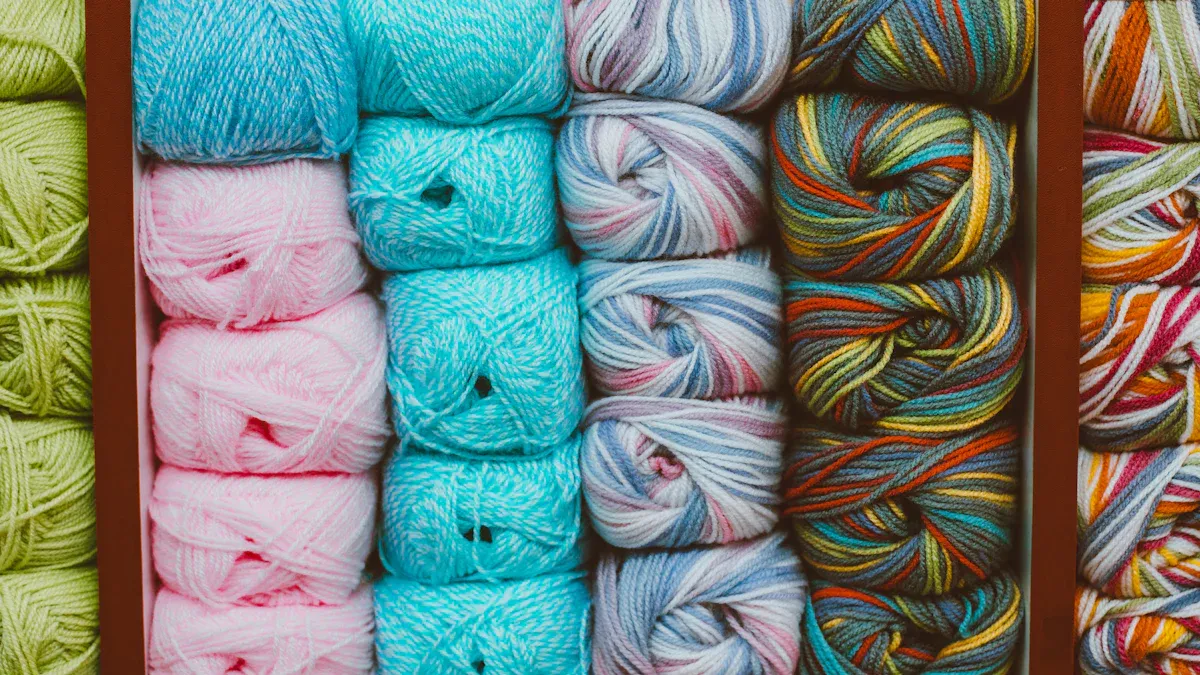
Choosing the best yarn for your knitting projects is crucial. The right yarn can make your finished piece look stunning, while the wrong choice can lead to frustration. You might not realize it, but many knitters face common pitfalls when selecting yarn. For instance, not measuring gauge can result in a project that’s too big or too small. Ignoring yarn dye lots may cause noticeable color differences in your work. So, as you embark on your next knitting adventure, keep these factors in mind to elevate your crafting experience! 🌟
Start with the yarn’s fiber type. Natural fibers offer warmth, while synthetic options provide durability and vibrant colors.
Match the yarn weight to your project. Each weight suits different types of projects, affecting the look and feel.
Always knit a test swatch. This helps you see how the yarn behaves and ensures your project turns out as planned.
Pay attention to dye lots. Consistent colors across your project enhance its overall appearance.
Consider the intended use of your item. Choose yarn that meets the durability and care needs for your specific project.
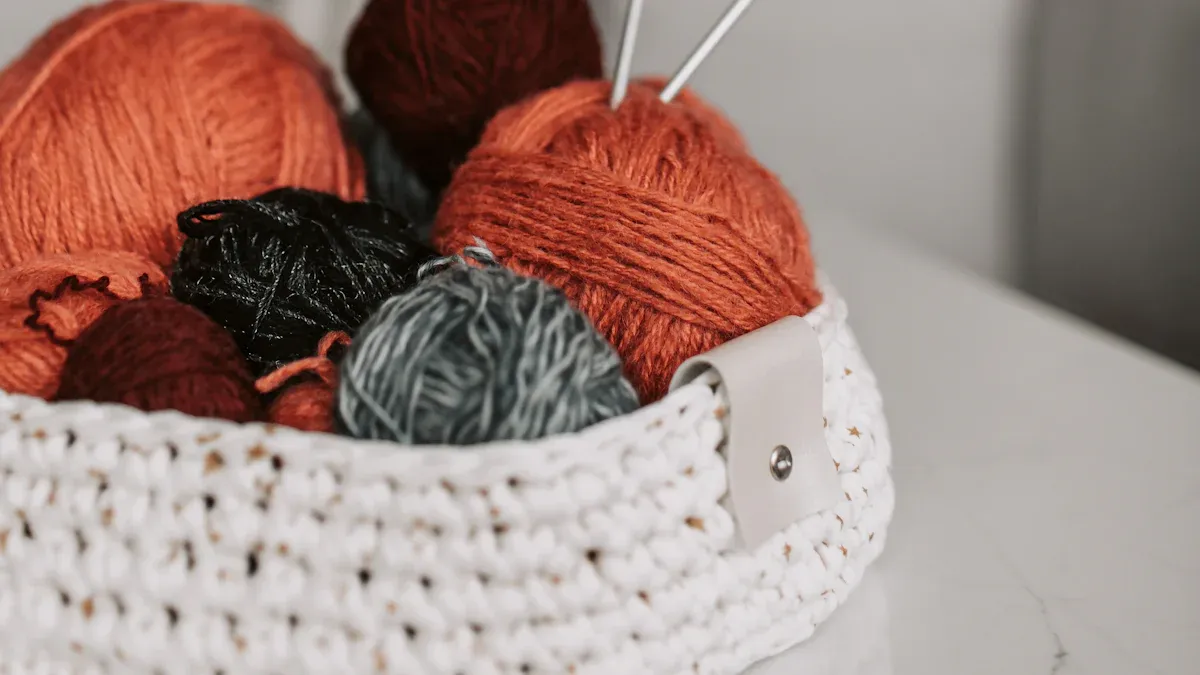
When choosing yarn, understanding the difference between natural and synthetic fibers is key. Natural fibers, like wool and cotton, come from plants and animals. They offer unique benefits, such as breathability and warmth. For example, wool yarn is known for its elasticity and ability to keep you warm, making it perfect for cozy sweaters. On the other hand, synthetic fibers, like acrylic and polyester, are man-made. They tend to be more affordable and often come in a wider range of colors. However, they may lack the breathability of natural fibers, which can lead to discomfort in warmer weather.
Here’s a quick comparison of some common fibers:
Fiber Type | Durability | Warmth |
|---|---|---|
Wool | Highly resilient, can bend over 20,000 times before breaking | Known for warmth and elasticity, ideal for cozy garments |
Cotton | Durable, withstands regular wear and tear, resistant to fraying | Soft and breathable, suitable for lightweight summer wear |
Blended yarns combine different types of yarn to enhance their properties. For instance, a blend of wool and alpaca can create a soft, warm yarn that’s also durable. Blended yarns often provide the best of both worlds, offering improved durability and comfort. Here are some advantages and disadvantages of using blended yarns:
Advantages of Blended Yarns | Disadvantages of Blended Yarns |
|---|---|
Improved durability | Reduced skin compatibility |
Enhanced breathability and comfort | Environmental limitations |
Superior cost-effectiveness | |
Increased versatility | |
Ease of maintenance | |
Enhanced aesthetic and textural properties |
When selecting yarn, consider how the fiber type affects your project. Natural fibers are great for warmth and breathability, while synthetic options can offer durability and vibrant colors. Blends can provide a balance, making them a versatile choice for various projects.
When it comes to knitting, selecting the right yarn weight is essential. It affects not just the look of your finished project but also how quickly you can complete it. Different yarn weights suit different types of projects, so understanding them will help you make informed choices.
Here are some of the most popular yarn weights you’ll encounter:
Lace Weight: Perfect for delicate shawls and intricate patterns.
Fingering Weight: Great for lightweight garments and accessories.
Sport Weight: A versatile option for lighter sweaters and baby items.
Worsted Weight: This is the most popular choice, ideal for a wide range of projects, including sweaters and blankets.
Bulky Weight: Excellent for quick projects like scarves and blankets.
Super Bulky Weight: Perfect for oversized items that knit up quickly.
According to recent surveys, worsted and aran yarns make up over 75% of the top yarns used in projects. Bulky yarn is also gaining popularity for those quick crafting sessions.
Choosing the right yarn weight means matching it to your pattern. Each pattern specifies a yarn weight, which helps you achieve the desired drape and structure. For example, lace patterns require finer yarns for that airy feel, while bulky yarns create cozy, oversized items.
Here’s a quick guide to help you match yarn weight to project types:
Yarn Weight | Best Suited Projects |
|---|---|
Lace weight | Ideal for intricate, lightweight creations like shawls |
Worsted weight | Great for sweaters, blankets, and accessories |
Bulky weight | Perfect for quick projects like rugs and heavy sweaters |
If you’re a beginner, start with worsted or DK (double knitting) yarn. These weights are forgiving and allow for quick project completion, making them perfect for honing your skills. Remember to always check your gauge by knitting a swatch. This ensures your finished project turns out just as you envisioned!
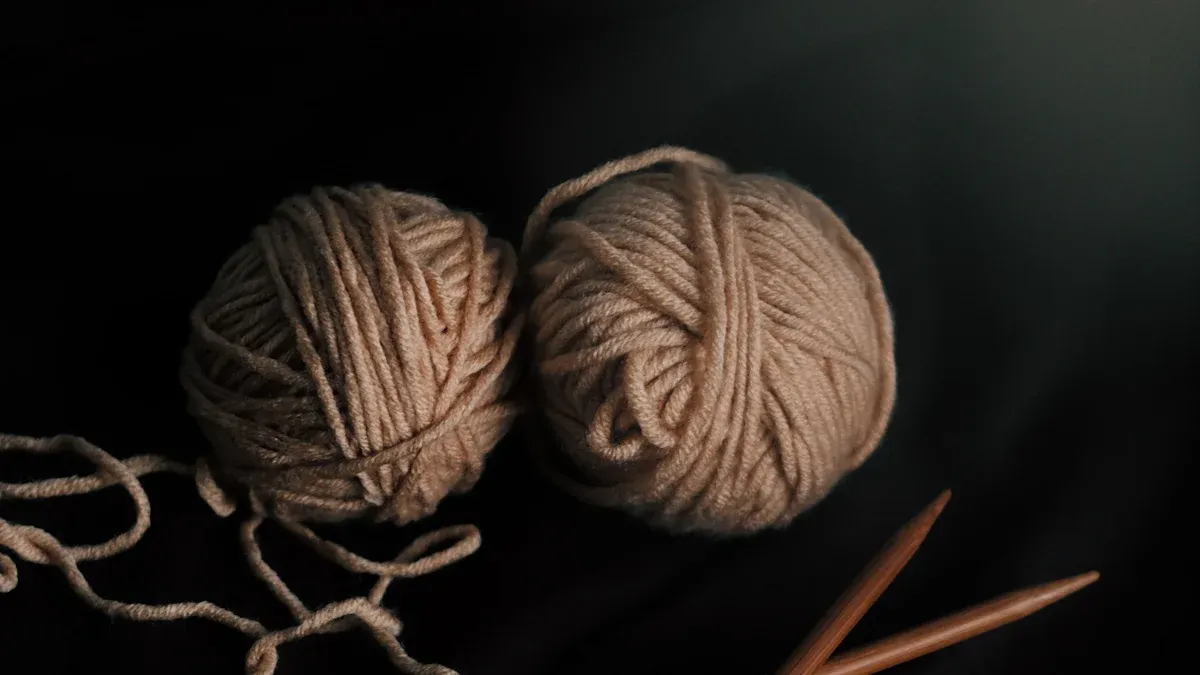
When you choose yarn, texture plays a big role in how your finished project feels and looks. Soft yarns, like those made from wool blends or alpaca, are perfect for garments that touch your skin. You want comfort, especially for items like scarves or baby clothes. To evaluate softness, run the yarn through your fingers. You can also knit a small swatch to see how the stitches stand out.
On the other hand, textured yarns can add visual interest to your projects. They often have variations in thickness and color, which can create a unique look. For example, using a fingering weight yarn held double can give you a luxurious drape, enhancing both comfort and engagement with color fades. Textured yarns can also smooth out mildly irregular fibers, leading to a more consistent fabric appearance.
Choosing the right texture is essential for your project’s success. Here are some tips to consider:
Soft Yarns: Ideal for garments and accessories that will be worn close to the skin.
Textured Yarns: Great for adding depth and interest to blankets or home decor items.
Mixing Textures: Combining different yarn weights can enhance the visual appeal of your knitted item. Just ensure the fiber content and colors are compatible to avoid issues like pilling.
Remember, the choice of gauge affects the surface texture. Denser knitting results in a smoother fabric, while larger needles can enhance texture. So, think about how you want your finished piece to feel and look. This will guide you in selecting the perfect yarn for your next project!
Choosing the right colors for your knitting projects can be a fun yet challenging task. Here are some tips to help you make the best choices:
Choose colors that please you. Your enjoyment of the project will shine through in your work.
Keep in mind the purpose of the project. For example, bright colors might be perfect for a playful baby blanket, while muted tones could suit a sophisticated scarf.
Consider the stitch pattern. Some patterns look better with solid colors, while others benefit from variegated yarns.
Use color theory to your advantage. Complementary colors can create striking contrasts, while analogous colors offer a more harmonious look.
When in doubt, knit a swatch. This allows you to see how the colors work together before committing to the entire project.
Dye lots play a crucial role in maintaining color consistency across your projects. When you buy yarn, each batch is dyed separately, which can lead to variations in color. Here’s why you should pay attention to dye lots:
Dye lot variations can lead to noticeable differences in color. This can disrupt the overall design of your project. As one expert puts it, “Dye lot variations can show up in different ways. Sometimes it’s just a subtle shift in tone, but other times it can be a pretty drastic color change.”
Keeping track of yarn labels and dye lots helps maintain color consistency. Always purchase enough yarn from the same dye lot to ensure consistent coloring throughout your project.
If dye lots do not match, consider adjusting your project. You might use only one dye lot or blend them by alternating skeins every few rows to create a seamless transition.
By being mindful of your color choices and dye lots, you can elevate your knitting projects and ensure they turn out beautifully!
When you pick yarn for your project, think about how you plan to use the finished item. Different fibers provide varying levels of warmth, durability, and drape. For example, if you’re making a baby blanket, you want something soft and washable. On the other hand, a sturdy bag needs a yarn that’s strong and less prone to stretching. Here are some tips to help you choose the right yarn for your project:
Heavier yarns work well for quick, warm projects like blankets.
Lighter yarns are perfect for intricate designs or garments suited for warmer weather.
You also need to consider how often the item will be washed. Some yarns require special care, which can affect their longevity. Here’s a quick look at the care requirements for different yarn types:
Yarn Type | Care Requirements |
|---|---|
Wool | Hand wash, gentle dry |
Alpaca | Hand wash, gentle dry |
Cotton | Machine washable |
Acrylic | Machine washable |
If you’re knitting for kids or pets, choose yarn that can withstand frequent washing. For instance, mini knitted toys or teddies are great for children, providing enjoyment and play value. Knitting scarves in favorite colors keeps kids warm and adds a personal touch. Knitted blankets are practical and can be personalized, making them sentimental keepsakes.
For items that require high durability, consider these popular yarns:
Knit Picks Wool of the Andes Bulky: Great for bulky blankets but not easily washable.
Lion Brand Wool-Ease Thick and Quick: A washable wool-blend yarn known for its durability.
Caron One Pound: A machine washable synthetic yarn that holds up well under regular use.
By considering the intended use of your knitted item, you can choose the best yarn for your project, ensuring it meets your needs and lasts for years to come!
Choosing the right yarn for your projects can feel overwhelming, but it doesn’t have to be! Remember to consider factors like fiber content, yarn weight, and texture. Each of these elements influences how your finished piece will look and feel.
Here are some key takeaways to keep in mind:
Always start with the yarn’s fiber type. It sets the stage for your project’s feel and use.
Match the yarn weight to your project for the best results.
Don’t forget to knit a test swatch to see how your chosen yarn behaves.
So, go ahead and experiment with different yarns! You might discover new favorites that elevate your knitting game. Happy crafting! 🧶
When you read a yarn label, check the fiber content, weight, and care instructions. This information helps you understand how the yarn will behave in your project and guides your yarn buying process.
Consider the project type, desired texture, and intended use. Think about how the yarn will feel and hold up over time. Explore your options based on these factors to find the best fit.
Yes, you can mix yarn weights, but be cautious. Different weights can affect the drape and overall look. Always knit a swatch to see how they work together before committing to your project.
To maintain color consistency, buy enough yarn from the same dye lot. If you need more yarn later, check the dye lot number on the label to avoid noticeable differences in color.
For beginners, consider using worsted or DK weight yarns. These weights are easy to work with and forgiving, making them perfect for honing your skills. Look for yarns labeled as “easy care” for added convenience.

