Address
304 North Cardinal
St. Dorchester Center, MA 02124
Work Hours
Monday to Friday: 7AM - 7PM
Weekend: 10AM - 5PM
Address
304 North Cardinal
St. Dorchester Center, MA 02124
Work Hours
Monday to Friday: 7AM - 7PM
Weekend: 10AM - 5PM

Knitting opens up a world of creativity and skill-building for you as a beginner crafter. Mastering essential knitting techniques not only boosts your confidence but also enhances your crafting abilities. Think about it: when you learn basic knit and purl stitches, ribbed patterns, and even lace techniques, you lay a solid foundation for more complex projects. Whether you’re creating a cozy scarf or a beautiful sweater, these skills will elevate your work and inspire your creativity.
Remember, every expert was once a beginner!
Master the knit and purl stitches to build a strong foundation for your knitting projects. These basic techniques allow for a variety of patterns and textures.
Explore advanced techniques like lace and cable stitches to elevate your knitting skills. These methods add complexity and beauty to your creations.
Learn effective seaming techniques to give your projects a polished finish. Proper seams enhance durability and aesthetics, making your work look professional.
Incorporate colorwork and knitting in the round to create seamless and vibrant designs. These techniques expand your creative possibilities and reduce the need for seaming.
Practice finishing techniques like weaving in ends and blocking to enhance the appearance and longevity of your projects. A well-finished piece looks great and lasts longer.
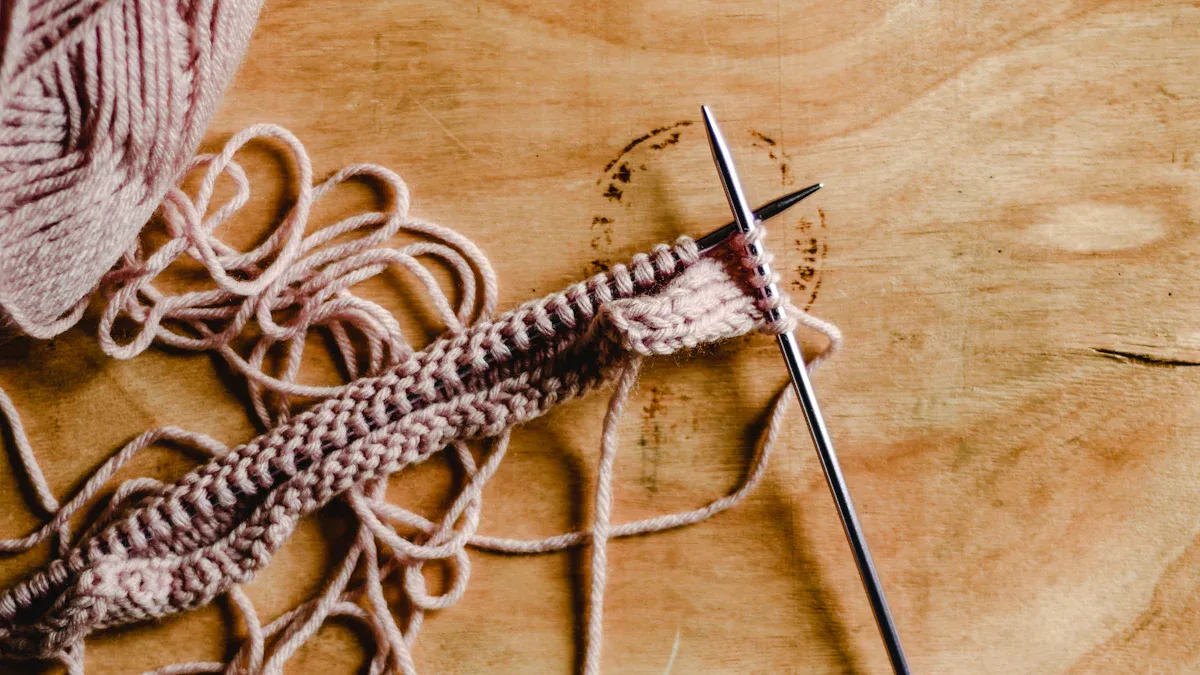
The knit stitch is the foundation of many knitting projects. Mastering this stitch opens up a world of possibilities for your creations. When you learn the knit stitch, you gain the ability to create intricate patterns and textures. This stitch forms the backbone of countless designs, making it essential for any knitter.
Here are some benefits of mastering the knit stitch:
Benefit | Description |
|---|---|
Intricate Patterns and Textures | Mastering the knit stitch allows for the creation of complex designs, enhancing the visual appeal of projects. |
Seamless Finishes | Enables the production of seamless items, improving comfort and aesthetics in wearables. |
Flexibility in Sizing | Provides the ability to create custom-fitted garments, accommodating a wider range of body types. |
As you practice the knit stitch, you’ll notice how it creates a smooth fabric with a “V” shape on the front side. This stitch is often used in various projects, such as scarves, blankets, and sweaters.
The purl stitch is just as important as the knit stitch. It creates a different texture and is often used in combination with the knit stitch to produce various patterns. When you purl, you create horizontal bumps on the fabric’s surface, which adds depth and interest to your work.
Understanding the differences between the knit and purl stitches can help you choose the right technique for your projects. Here’s a quick comparison:
Stitch Type | Appearance | Texture | Application |
|---|---|---|---|
Knit Stitch | Creates Vs on the right side | Smooth | Typically forms the front side of the fabric |
Purl Stitch | Results in horizontal bumps on the wrong side | Bumpy | Typically forms the back side of the fabric |
By combining knit and purl stitches, you can create beautiful ribbing, cables, and lace patterns. This versatility makes them essential tools in your knitting toolkit.
Common projects that utilize knit and purl stitches include:
Scarves
Blankets
Sweaters
Hats
Dishcloths
As you continue your knitting journey, remember that mastering these basic stitches will set you up for success in more complex patterns. So grab your needles and yarn, and start practicing!
As you progress in your knitting journey, diving into advanced knitting techniques can truly elevate your skills. Two of the most rewarding techniques to master are lace stitches and cable stitches. These methods not only add complexity to your projects but also enhance their beauty.
Lace knitting introduces intricate openwork patterns that can transform simple items into sophisticated works of art. By mastering techniques like yarn overs and decreases, you can create delicate motifs that add elegance to your projects. For beginners, starting with simple lace stitches builds confidence and experience. This gradual introduction allows you to tackle more complex patterns as you grow.
Here are some popular lace techniques you might want to explore:
Yarn Overs: This technique creates holes in your fabric, forming the basis of many lace patterns.
Decreases: These stitches help shape your lace and create beautiful designs by reducing the number of stitches.
Lace Charts: Learning to read lace charts can open up a world of patterns and designs.
By incorporating lace stitches into your work, you’ll find that your projects gain a new level of sophistication.
Cable stitches are another advanced technique that can significantly enhance your knitting repertoire. Mastering cable work is a significant milestone for crafters, indicating a level of confidence in your skills. Cables introduce complexity, which can be a challenge for beginners. They require precise technique and a solid understanding of stitch manipulation.
Here are some key points about cable stitches:
Intricate Designs: Cables can create stunning visual effects, making your projects stand out.
Versatility: You can use cables in various projects, from sweaters to accessories, adding texture and interest.
Skill Development: Working with cables helps you learn to read your knitting better, as you’ll need to keep track of your stitches carefully.
As you become proficient in these advanced knitting techniques, you’ll find that your range of projects expands. You can create intricate designs, understand advanced patterns, and effectively use various materials. This newfound skill set will allow you to take on more challenging projects with confidence.
Remember, every time you learn a new technique, you’re not just adding to your skills; you’re also enhancing your creativity as a knitter. So grab your needles and start experimenting with lace and cable stitches!
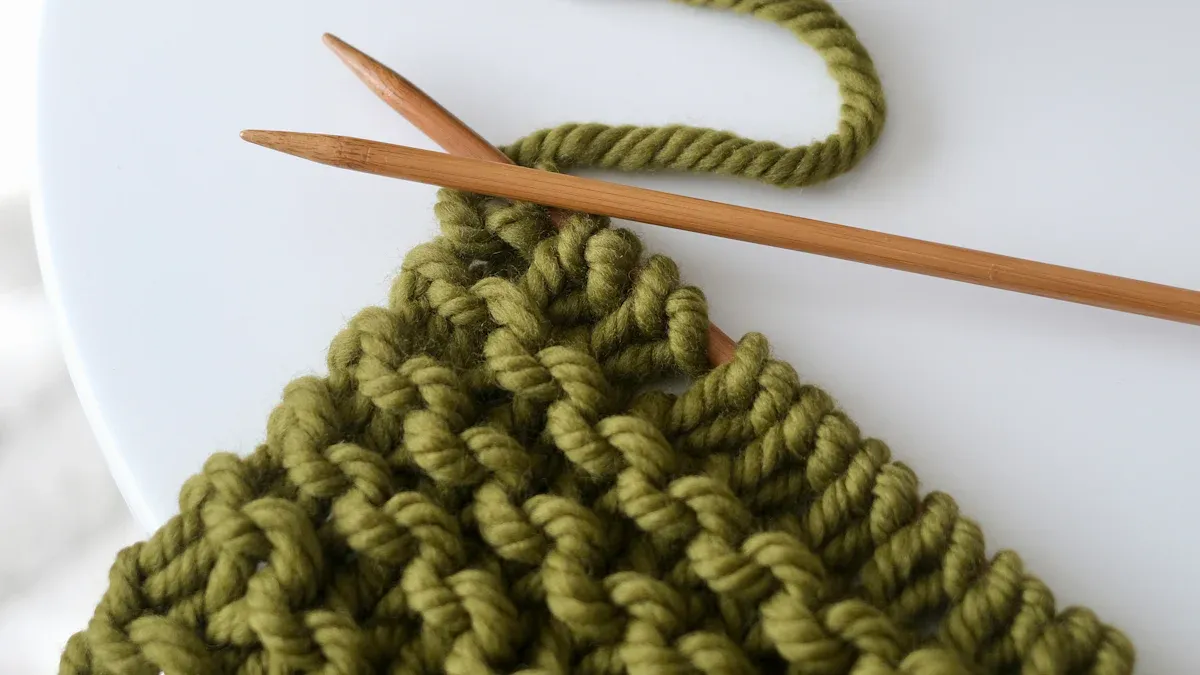
Seaming techniques play a crucial role in giving your knitted projects a polished finish. A well-executed seam can elevate your work, making it look professional and neat. Here are some effective seaming techniques you should consider:
Seaming Technique | Description |
|---|---|
Flat seaming | A technique that uses a flat stitch to create an almost invisible seam. |
Overlock seaming | A method that employs a zigzag stitch for a strong and durable seam. |
Serging | A technique that trims and sews edges together, resulting in a strong and stretchy seam. |
Choosing the right seaming technique is essential for both durability and aesthetics. For instance, lightweight fabrics may require delicate seams, while heavier materials benefit from sturdier options. If your project will experience wear, opt for stronger seams to prevent tearing. On the other hand, if you want to showcase a decorative seam, consider a visible option for added character.
Picking up and knitting stitches is a valuable skill that can save your projects from mistakes. This technique allows you to recover missed stitches or add new ones seamlessly. Here’s how to do it effectively:
Garter Stitch: When working with garter stitch, pick up one stitch for each ridge. This method ensures that your new stitches align perfectly with the existing fabric.
Purlwise: For horizontal edges, insert your needle purlwise to pick up stitches. Wrap the yarn correctly to maintain tension and avoid gaps.
If you ever miss a stitch, don’t worry! You can use a crochet needle to easily recover it. This method is beginner-friendly and helps you get back on track without starting over.
Mastering these seaming and picking up techniques will enhance your knitting skills and give your projects a professional touch. So, practice these methods, and watch your creations come to life!
Colorwork adds a vibrant touch to your knitting projects. It allows you to create stunning designs that catch the eye and showcase your creativity. Here are some popular colorwork techniques you might want to explore:
Stranded Knitting: This method lets you weave multiple colors together, forming intricate patterns and beautiful color combinations.
Intarsia: Use this technique for blocks of color and motifs, creating collage-like effects in your work.
Chevron Stripes: These geometric patterns enhance visual appeal and add a modern twist to your projects.
You might also come across specific styles like Fair Isle, Scandinavian, and Icelandic knitting. Each has its unique charm and history, making your projects not just beautiful but also culturally rich. For instance, Fair Isle knitting originates from Scotland and is known for its distinctive designs.
Colorwork doesn’t just make your projects look good; it also increases their perceived value. For example, the Vallo Cowl design features engaging colorwork that’s easy to memorize. This makes the knitting experience enjoyable. Plus, the finished piece feels luxurious and soft, making it fun to wear and easy to style in your wardrobe.
Knitting in the round is a game-changer for many crafters. This technique allows you to create seamless projects, eliminating the need for seaming altogether. Here are some advantages of knitting in the round:
Multipurpose Circular Needles: You can use them for both flat and round projects, making them versatile.
Reduced Seaming: You knit continuously, which means no separate flat pieces to sew together.
Even Weight Distribution: This helps reduce strain on your hands and arms, preventing muscle fatigue.
Compact Storage: Circular needles are easy to store and transport, making them convenient for on-the-go knitting.
By mastering colorwork and knitting in the round, you’ll expand your knitting skills and create beautiful, professional-looking projects. So, grab your yarn and needles, and let your creativity flow!
Finishing techniques are crucial for giving your knitted projects a polished look and ensuring their durability. When you take the time to finish your work properly, you enhance both its appearance and longevity. Two essential techniques to master are weaving in ends and blocking.
Weaving in ends is a simple yet vital step in finishing your knitting. This technique secures loose yarn tails, preventing unraveling and ensuring a neat finish. Here’s why you should prioritize this step:
Prevents unraveling
Enhances durability
Provides a polished appearance
When you weave in your ends, you also help distribute tension on the yarn. This minimizes the risk of breakage or distortion in the fabric. A well-finished project looks professional and feels great to wear. Remember, no one wants their hard work to look sloppy!
Blocking is another essential technique that can transform your knitted items. It helps set the fabric and improves its overall look. Many knitters initially doubt the effectiveness of blocking, but it truly makes a difference. Here’s how to do it effectively:
Soak your knitted item in a gentle wash.
Gently squeeze out excess water and roll it in a towel.
Lay the damp item on a blocking surface and pin it to the desired shape.
Blocking not only enhances the appearance of your work but also helps define shapes. It makes stitches more uniform and colors brighter, ensuring that your final product looks polished and professional.
Incorporating these finishing techniques into your knitting routine will elevate your projects. You’ll find that taking the time to weave in ends and block your work pays off in the long run. Your creations will not only look better but also last longer, making them truly worth the effort!
Knitting is more than just a craft; it’s a journey of creativity and skill. As you practice the techniques we’ve discussed, remember to embrace the process. Here are some tips to enhance your experience:
Embrace Circular Needles: They make long sessions more comfortable.
Always Make a Swatch: This helps you adjust your tension before starting a project.
Utilize Online Resources: Platforms like YouTube and knitting communities can inspire you.
Regular practice not only improves your skills but also boosts your confidence and creativity. So, grab your yarn, try new techniques, and enjoy every stitch!

