Address
304 North Cardinal
St. Dorchester Center, MA 02124
Work Hours
Monday to Friday: 7AM - 7PM
Weekend: 10AM - 5PM
Address
304 North Cardinal
St. Dorchester Center, MA 02124
Work Hours
Monday to Friday: 7AM - 7PM
Weekend: 10AM - 5PM
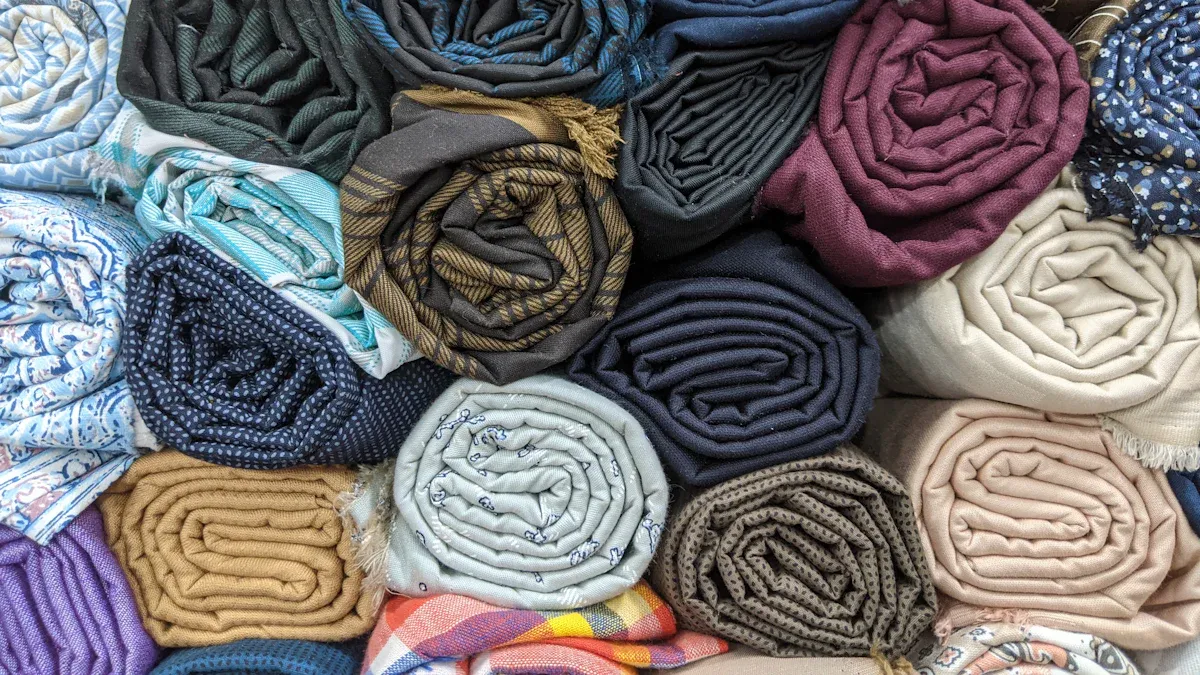
Choosing the right fabric is crucial for your sewing projects. When you choose the right fabric, it can dramatically affect the look and feel of your finished item. Many beginners face challenges, such as not understanding fabrics and picking the wrong one for their project. Others might skip fabric preparation, leading to issues like shrinkage after washing. You’ll want to start with stable, easy-to-sew fabrics like cotton lawn or linen, which are much more forgiving. Keep these factors in mind as you embark on your sewing journey!
Understand the three main fabric types: natural, synthetic, and blends. Each type has unique qualities that affect your project.
Match your fabric choice to your project type and intended use. Consider durability, ease of cleaning, and comfort.
Evaluate key fabric characteristics like weight, drape, and texture. These factors influence how your finished item will look and feel.
Set a budget for fabric purchases to manage costs effectively. Explore options like discount stores or repurposing old textiles.
Obtain sample swatches before buying fabric. This helps you assess texture, weight, and color compatibility.
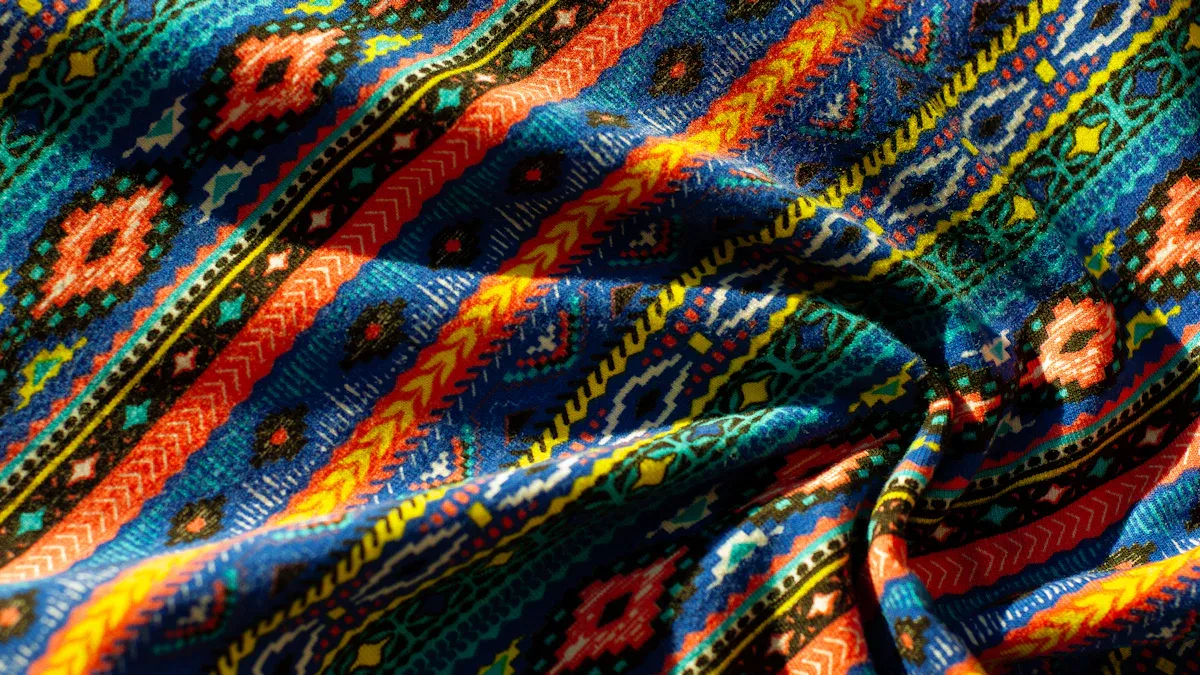
When you start sewing, understanding the different types of fabric is essential. Each type has unique properties that can influence your project. Let’s break down the main categories: natural fabrics, synthetic fabrics, and blends.
Natural fabrics come from plants or animals. They are often breathable and comfortable, making them popular choices for many sewing projects. Here are some of the most commonly used natural fabrics:
Fabric Type | Description |
|---|---|
Cotton | Eco-friendly and widely used in various sewing projects. |
Linen | Breathable fabric made from flax, perfect for summer wear. |
Silk | Valued for its luxurious feel and natural properties. |
Wool | Known for its warmth and durability, making it a popular choice. |
Natural fabrics have their pros and cons. For example, cotton is affordable and versatile, but it can shrink and wrinkle easily. Linen offers excellent breathability, but it can be more expensive. Silk feels soft and luxurious, yet it requires delicate handling.
Tip: When you choose the right fabric, consider how it will feel against the skin and how it will perform in your project.
Synthetic fabrics are made from man-made fibers. They often offer durability and ease of care, making them great for various applications. Here are some popular synthetic fabrics:
Polyester: Known for durability and wrinkle resistance.
Nylon: Strong and lightweight, with excellent abrasion resistance.
Spandex: Highly elastic, perfect for activewear.
Synthetic fabrics can be advantageous because they resist stretching and shrinking. They also tend to be more affordable than natural options. However, they may not breathe as well, which can be a consideration for clothing.
Blended fabrics combine natural and synthetic fibers to create materials that leverage the best qualities of both. Here are some popular blends:
Fabric Blend | Properties | Common Uses |
|---|---|---|
Cotton-Polyester Blend | Softness of cotton with the durability of polyester. | Clothing, bed linens, home textiles |
Cotton-Spandex Blend | Comfort of cotton with added stretch from spandex. | Jeans, leggings, activewear |
Rayon-Linen Blend | Softness and drape of rayon with the breathability of linen. | Summer clothing, dresses |
Blends can enhance the durability and comfort of your finished projects. For instance, a cotton-polyester blend combines softness with wrinkle resistance, making it ideal for everyday wear.
Understanding these fabric types will help you choose the right fabric for your sewing projects. Whether you prefer the natural feel of cotton or the durability of synthetic options, knowing the characteristics of each type will guide your decisions.
Choosing the right fabric for your sewing project can feel overwhelming, but breaking it down into specific factors can make it easier. Let’s explore how project type, intended use, and your skill level can guide your fabric selection.
Different sewing projects require different fabrics. For example, garments, home decor, and accessories each have unique needs. Here’s a quick look at what to consider for various project types:
Durability: This is crucial for items that see frequent use, like children’s clothing or work attire.
Ease of Cleaning: If your project is prone to stains, you’ll want a fabric that’s easy to wash.
Texture: Soft fabrics like silk are great for intimate clothing, while sturdier fabrics work better for bags or upholstery.
Fading Resistance: If your item will be exposed to sunlight, choose fabrics that retain their color over time.
Type of Fabric: Consider whether you want natural or synthetic fibers based on your budget and desired properties.
Understanding these factors helps you choose the right fabric for your sewing project. For instance, if you’re making a quilt, you might opt for medium-weight cotton for stability and ease of stitching.
The intended use of your finished item significantly influences your fabric choice. Knowing what you plan to do with the item helps you select the right fabric. Here are some points to consider:
Functionality: Think about how the fabric characteristics, like drape and weight, affect comfort and usability.
Comfort: Fabrics should feel good against the skin, especially for clothing.
Durability: For items that will be used often, like bags or activewear, choose fabrics that can withstand wear and tear.
By aligning your fabric choice with the intended use, you enhance the overall quality of your sewing project. For example, if you’re making a summer dress, lightweight cotton or linen would be ideal for breathability.
Your skill level plays a big role in fabric selection. If you’re just starting out, it’s best to choose fabrics that are easy to work with. Here are some tips:
Beginners: Avoid slippery fabrics like satin, which can shift while cutting and sewing. Also, steer clear of very stretchy fabrics that can lead to wavy hems.
Intermediate Sewists: You might feel comfortable experimenting with a wider range of fabrics, including some blends.
Advanced Sewists: You can tackle more challenging materials, like silk or sheer fabrics, but be prepared for the extra care they require.
Choosing stable, medium-weight fabrics is a great way to build your confidence in sewing basics. As you gain experience, you can gradually explore more complex fabrics.
By considering project type, intended use, and your skill level, you can confidently choose the right fabric for your sewing projects. Remember, the right fabric not only enhances the look of your finished item but also makes the sewing process more enjoyable!
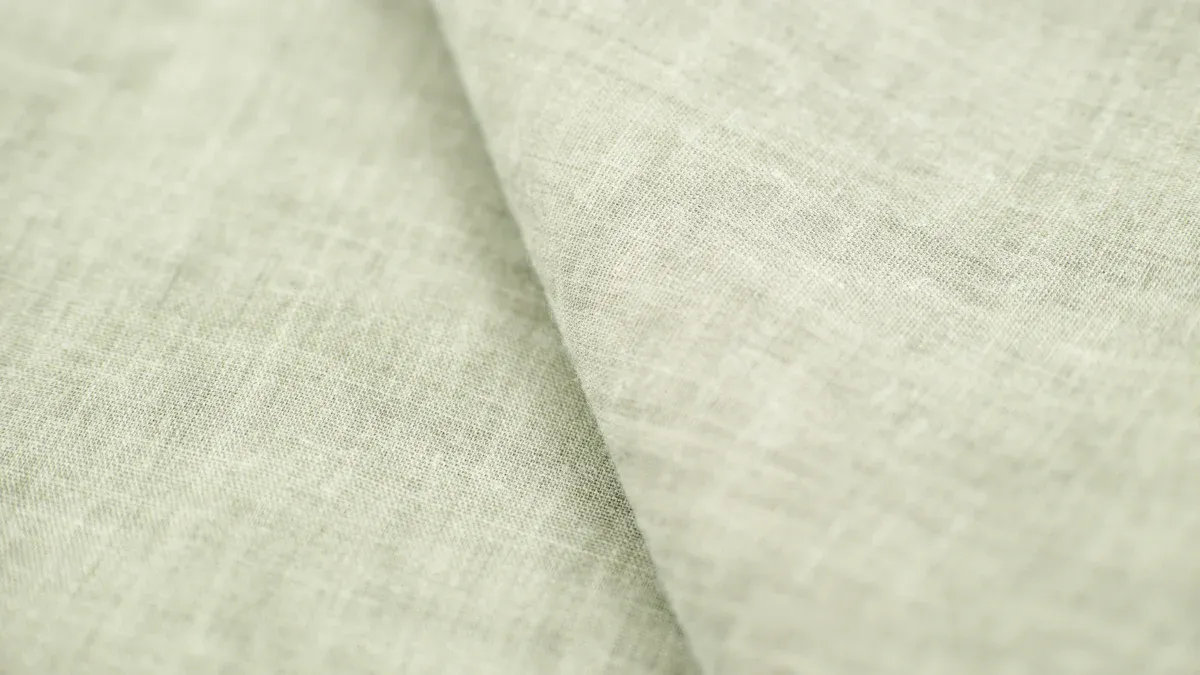
When you choose the right fabric for your sewing projects, evaluating key characteristics is essential. Understanding these traits can help you make informed decisions and ensure your finished items look great and last long.
Fabric weight and drape significantly affect how your project turns out. Weight refers to how heavy or light the fabric feels. Lighter fabrics, like cotton lawn, work well for flowy garments, while heavier fabrics, such as denim, are perfect for structured pieces.
Drape describes how the fabric hangs and moves. Fabrics with good drape, like silk or rayon, create beautiful, flowing designs. On the other hand, stiffer fabrics, like canvas, hold their shape well. When selecting fabric, consider how you want your finished item to look and feel.
The texture of your fabric can greatly influence comfort and style. Fabrics can range from smooth and soft to rough and coarse. For example, cotton feels soft against the skin, making it ideal for clothing. In contrast, fabrics like burlap have a rough texture, which may not be suitable for garments but can work well for home decor.
When evaluating texture, think about how it will feel when worn. You want your fabric to be comfortable, especially for clothing items.
Understanding care instructions is crucial for maintaining your fabric’s beauty and longevity. Here are some important points to consider:
Always refer to care instructions on garment labels for best results.
Proper care enhances the beauty and longevity of garments.
Learning to care for clothes saves money and resources.
For delicate fabrics, follow these tips to ensure they last:
Use a walking foot to prevent stretching and warping of seams.
Stay stitch curves to maintain the shape of lightweight fabrics.
Use the right needle to avoid damaging delicate fibers.
By considering weight, drape, texture, and care instructions, you can confidently choose the right fabric for your sewing projects. This knowledge will help you create beautiful, lasting items that you can enjoy for years to come!
Choosing the right fabric for your sewing project involves more than just picking a pretty print. You need to consider how well your fabric matches the pattern you’re using. Let’s dive into some key aspects of matching fabric with patterns.
When you look at a sewing pattern, it often comes with a list of suggested fabrics. These recommendations exist for a reason! For example, a flowing dress pattern may look stunning in soft silk, but it could appear stiff and heavy if you use medium-weight cotton. Always check the pattern’s fabric suggestions to ensure you choose the right fabric. Proper pattern preparation is essential. It saves you time and reduces frustration during sewing.
The scale of your fabric print can make or break your project. Here are some tips to keep in mind:
Consider the type of textile you’re using.
Evaluate the size of the finished product to ensure appropriate fabric choice.
Assess the fabric treatment to meet project requirements.
For form-fitting items like leggings, opt for stretchy fabric with a suitable print. Be cautious of prints that may distort when stretched; testing a small piece is a smart move. Remember, large patterns may overwhelm small items, while tiny prints can get lost on larger projects.
Understanding color theory can elevate your fabric selection. Here are some points to consider:
Changing the placement of light, medium, and dark fabrics can create new visual patterns, even with the same design.
Fabrics interact with each other, affecting how their colors and values are perceived.
Knowing how to arrange colors is essential; altering their placement can lead to significantly different outcomes.
By keeping these factors in mind, you can confidently match fabric with patterns. This thoughtful approach will enhance your sewing basics and lead to beautiful, cohesive projects!
When it comes to fabric shopping, knowing where to buy can make a big difference. You want to find reliable sources that offer quality materials. Here are some great places to check out:
Ice Fabrics: Designer-quality textiles and supplies.
I See Fabric: Eco-friendly and organic fabrics.
Mood: A well-known fabric store in New York City.
Purl Soho: Offers a variety of high-quality fabrics.
LA Finch Fabrics: Known for trendy fabrics.
Sewing Studio: A large selection of fabrics and notions.
These sources can help you build your fabric shopping skills and find the perfect materials for your projects.
Budgeting for fabric can be tricky, especially if you’re working on larger projects. Here are some tips to help you stay within your budget:
Set a monthly budget for fabric purchases.
Consider an annual budget for overall fabric expenses.
Think about price per project budgeting to keep track of costs.
You can also save money by sourcing cheap fabric from discount stores or thrift shops. Bulk purchasing from warehouse stores can lower the price per yard, which is especially beneficial for large projects. Repurposing old textiles can provide unique materials while saving money.
Here’s a quick look at how fabric prices can vary:
Fabric Type | Price Range (per yard) | Quality Factors |
|---|---|---|
Natural Fibers | ||
Cotton | $1–$5 | Organic vs. standard cotton |
Silk | $20–$50 | Specialty silks like charmeuse |
Linen | $10–$25 | Weaving techniques |
Synthetic Fibers | ||
Polyester | $3–$7 | Cost-efficient and versatile |
Nylon | $4–$8 | Known for durability |
Rayon | $4–$12 | Satin or blended variations |
Blended Fabrics | ||
Cotton-polyester | $6–$12 | Ratios and thread counts |
Specialty Fabrics | ||
Wool | $15–$70 | Type of wool and fabric weight |
Understanding these price ranges can help you make informed decisions while shopping.
Before making a big purchase, consider obtaining sample swatches. This step can save you from costly mistakes. Here’s why swatches are beneficial:
Assess the texture, weight, and drape of the material.
Ensure color compatibility by comparing swatches in natural light.
Practice sewing techniques or test fabric layout skills before committing to a larger purchase.
By experiencing the fabric in person, you can ensure that the samples accurately represent the fabric’s appearance and texture. This way, you can avoid surprises when your yardage arrives.
With these tips, you’ll feel more confident in your fabric purchasing decisions. Remember, thoughtful planning can enhance your sewing basics and lead to successful projects!
Choosing the right fabric is essential for your sewing success. Remember these key points:
Understand fabric types: Natural, synthetic, and blends each have unique qualities.
Consider your project: Match fabric to the type of item you’re making and its intended use.
Evaluate characteristics: Weight, drape, and texture all influence your final product.
As you shop, don’t hesitate to experiment! Here are some tips to boost your confidence:
Identify the qualities you want in a fabric before shopping.
Assess your budget to find the best options.
Be open to inspiration while keeping your project needs in mind.
With practice, you’ll become more comfortable selecting fabrics. So, trust your instincts and enjoy the creative process! 🎉
For beginners, cotton is a great choice. It’s easy to sew, widely available, and forgiving. Start with medium-weight cotton to build your confidence before trying more complex fabrics.
Check the pattern’s fabric recommendations. Consider the fabric’s weight, drape, and texture. Ensure it matches your project’s intended use and your skill level.
Yes, you can mix fabrics! Just ensure they have similar care instructions and drape. This way, your finished item will look cohesive and function well.
For delicate fabrics like silk, hand wash in cold water and air dry. Always follow the care instructions on the label to maintain their beauty.
Many online fabric stores offer sample swatches. You can also visit local fabric shops to feel the materials in person before making a purchase.

