

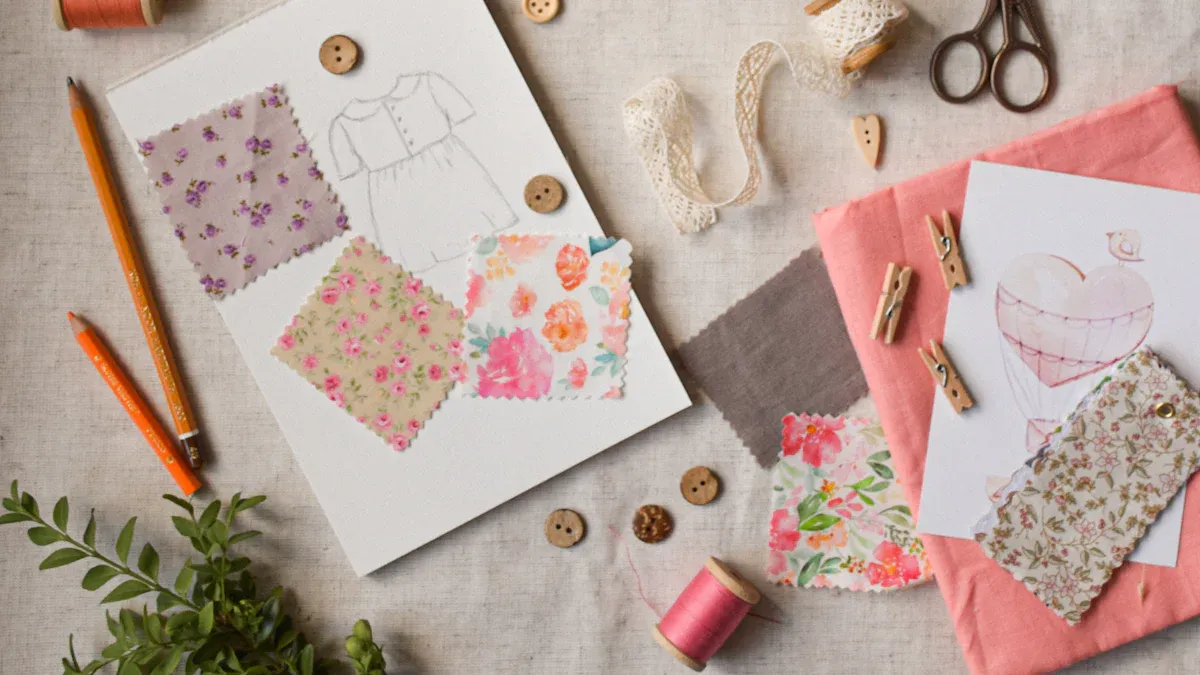
Have you ever thought about turning your love for crafting into a thriving business? Crafting not only allows you to express your creativity but also offers a fantastic opportunity to earn income by selling craft items. Imagine waking up each day excited to create, knowing your passion could lead to a successful craft business. With the crafting industry in the United States projected to reach around $51 billion by 2025, now is the perfect time to start a crafting business. So, are you ready to embark on this journey and turn your hobby into a business?
Key Takeaways
Identify your niche by focusing on a specific craft that excites you and meets market demand.
Create a dedicated workspace that inspires you and keeps your tools organized for better productivity.
Source quality materials from reliable suppliers and budget wisely to maintain financial health.
Develop a solid business plan that outlines your goals and strategies for success.
Market your products online by building a strong presence and exploring various selling platforms.
Select Your Craft

Choosing the right craft is a crucial first step in your journey to starting a successful crafting business. It’s not just about what you love to make; it’s also about finding a niche that resonates with potential customers. Let’s dive into how you can identify your niche and research market demand effectively.
Identify Your Niche
Finding your niche helps you focus your efforts and stand out in a crowded market. Here are some strategies to help you pinpoint the perfect niche for your crafting business:
Narrow down then expand: Start by focusing on a specific area of your product line. This approach allows you to become specialized. Use the 80/20 Rule to identify your best sellers and think about how you can expand upon them.
Target a very specific customer: Who are your ideal customers? Understanding their needs and interests will help you tailor your products to meet their expectations.
Pinpoint your look: Develop a signature style or focus on a specific material or method. This will create a recognizable brand that customers can connect with.
Lean away from the masses: Analyze your competitors to find gaps in the market. Look for unique offerings that you can provide, which will set you apart from others.
By following these steps, you can carve out a niche that not only reflects your passion but also meets market needs.
Research Market Demand
Once you’ve identified your niche, it’s time to research market demand. Understanding what consumers want can guide your product development and marketing strategies. Here are some effective ways to gauge market demand:
Online Marketplaces: Platforms like Etsy and Amazon Handmade can provide insights into trending crafts. Check out what’s popular and see how you can put your unique spin on it.
Social Media Trends: Follow crafting hashtags on platforms like Instagram and Pinterest. These can reveal what types of crafts are gaining traction among consumers.
Consumer Surveys: Consider creating surveys to gather feedback from potential customers. Ask them what types of crafts they’re interested in and what they’re willing to pay.
Market Reports: Look into industry reports that provide data on market segments. For example, the arts and crafts market is projected to reach $50.7 billion by 2025, driven by trends like personalization and sustainability.
Here’s a quick look at some popular types of crafts that generate high sales for home-based businesses:
Jewelry: High-Demand Accessories
Home Decor: Beautify Spaces
Bath and Body Products: Personal Care in Demand
Seasonal Crafts: Year-Round Income
Digital Products: Low Overhead, High Profit
Block Printed Fabrics and Art: A Niche with Rich Traditions
By understanding these trends and consumer preferences, you can position your crafting business for success.
Set Up Your Workspace

Creating a dedicated workspace is essential for your crafting business. A well-designed area can boost your creativity and productivity. Let’s explore how to design your area and organize your tools effectively.
Design Your Area
Start by choosing a space that inspires you. Whether it’s a corner of your living room or a spare room, make it your own. Here are some key elements to consider:
Organization: A well-organized space enhances productivity. Keep your supplies sorted and easy to access.
Ergonomics: Invest in comfortable furniture. A good chair and table height can support long crafting sessions without strain.
Lighting: Ensure you have adequate lighting. Natural light is great, but consider adding task lighting for detailed work.
Personalization: Make your space reflect your style. Add artwork, motivational quotes, or personal items that inspire you.
Personalizing your workspace can significantly enhance your creativity. Displaying family photos or souvenirs can make the area feel inviting and reflective of your personality.
Organize Tools
Once you have your space designed, it’s time to organize your tools. An efficient setup can save you time and frustration. Here’s how to get started:
Supply Visibility & Accessibility: Ensure your supplies are easy to see and reach. Use clear bins or labeled drawers for quick access.
Workspace Integration: Your storage should connect seamlessly with your crafting area. Consider using carts or shelving units that fit your workflow.
Space Efficiency: Maximize storage while considering your home’s limitations. Use vertical space with shelves or pegboards to keep your area tidy.
Psychological Comfort: Choose storage solutions that inspire rather than overwhelm. A clean and pleasant environment contributes to your happiness and productivity. Research shows that individuals satisfied with their workspace are nearly twice as productive as those who are not.
By designing your workspace thoughtfully and organizing your tools efficiently, you set the stage for a successful crafting business. So, roll up your sleeves and create a space that fuels your passion!
Source Materials
Finding the right materials is crucial for your crafting business. Quality supplies can make a significant difference in the final product. Let’s explore how to find reliable suppliers and budget effectively for your crafting needs.
Find Suppliers
When sourcing materials, you want to ensure you partner with suppliers who meet your needs. Here are some criteria to consider when evaluating potential suppliers:
Criteria | Description |
|---|---|
Delivery and Reliability | Check if they deliver on time and keep their promises. |
Cost and Value | Look at the total cost, including any hidden fees or quality issues that might arise. |
Service and Support | Assess their customer service and how quickly they respond to your inquiries. |
Financial Stability | Ensure the supplier is financially sound for long-term reliability. |
Ethical and Sustainable Practices | Consider if they follow ethical practices and sustainability standards. |
Innovation and Continuous Improvement | Look for suppliers committed to innovation, which can add value to your business. |
By using these criteria, you can find suppliers who will help you create high-quality handmade products that stand out in the market.
Budgeting for Supplies
Budgeting is another essential aspect of running your crafting business. Many new crafters make common mistakes when it comes to budgeting. Here are some pitfalls to avoid:
Reusing last year’s budget without adjustments.
Failing to base the budget on accurate data.
Not tracking actual expenses against the budget.
Being overly optimistic in budgeting.
Neglecting to reinvest in the business.
To manage costs effectively, create a detailed budget that reflects your current needs. Consider all expenses, including materials, tools, and even shipping costs if you plan on selling at craft fairs or selling at a show. Keeping a close eye on your budget will help you maintain financial health as you grow your business.
By sourcing quality materials and budgeting wisely, you set a solid foundation for your crafting business. Remember, the right supplies can elevate your handmade creations and attract more customers!
Business Plan Essentials
Creating a solid business plan is vital for your crafting business. It serves as your roadmap, guiding you through the ups and downs of entrepreneurship. Let’s break down how to define your goals and outline your strategies effectively.
Define Your Goals
Start by setting clear, achievable goals. Think about what you want to accomplish in the short and long term. Here are some examples to consider:
Sales Targets: Decide how much you want to sell each month.
Customer Base: Aim to reach a specific number of customers within your first year.
Product Range: Determine how many different products you want to offer.
By defining your goals, you create a clear vision for your business. This clarity helps you stay focused and motivated as you navigate your crafting journey.
Outline Your Strategy
Next, outline your strategies to achieve those goals. A well-thought-out strategy can make all the difference. Here’s a quick overview of key components to include in your business plan:
Key Component | Description |
|---|---|
Executive summary | A brief overview of your business and its goals. |
Market analysis | Research on your target market and competition. |
Marketing plan | Strategies for promoting your business and products. |
Financial plan | Budgeting, forecasting, and financial projections. |
When it comes to financial projections, consider including:
Projected income statements and balance sheets.
Cash flow statements and budgets for capital expenditures.
Quarterly or monthly projections for the first year and annual projections for the next four years.
These projections demonstrate your business’s stability and potential profitability to investors and lenders.
By defining your goals and outlining your strategies, you set a strong foundation for your crafting business. Remember, a well-prepared business plan not only helps you stay organized but also attracts potential partners and investors.
Marketing Your Products Online
Marketing your products online is essential for growing your crafting business. With the right strategies, you can reach a wider audience and boost your sales. Let’s explore how to build an online presence and discover the best selling platforms for your crafts.
Build an Online Presence
Creating a strong online presence helps you connect with potential customers and showcase your unique products. Here are some effective strategies to consider:
Create and Distribute Content: Regularly share valuable content that resonates with your audience. This could be blog posts, tutorials, or behind-the-scenes looks at your crafting process. Keeping your content customer-focused will address their needs and questions.
Optimize for Search Engines: Make sure your website is search engine friendly. Use relevant keywords to help new customers find your products when they search online.
Engage in Online Communities: Participate in forums and social media groups related to your craft. This helps you establish trust and authority in your niche.
Utilize Digital PR: Get involved in digital public relations to expand your reach. Collaborate with bloggers or influencers who can feature your products, giving you credible third-party coverage.
By implementing these strategies, you can effectively market your crafts and build a loyal customer base.
Explore Selling Platforms
Choosing the right selling platform is crucial for your success. Here are some popular options to consider:
Etsy: A well-known marketplace for handmade goods. Etsy charges a listing fee of $0.20 per product every four months and takes a 6.5% commission on sales. It’s a great platform for reaching customers who appreciate unique, handcrafted items.
Amazon Handmade: This platform allows artisans to sell their handmade products to a vast audience. There are no listing fees, but you’ll need a Professional Seller subscription for $39.99 per month, along with a 15% referral fee on sales.
Shopify: If you want more control over your online store, Shopify is a solid choice. While it doesn’t have listing fees, you will incur payment processing costs, which are around 3%. This platform is ideal for those looking to build a craft business online with a personalized website.
Other Marketplaces: Consider platforms like LoveCrafts, IndieCart, and iCraft, which cater specifically to handmade goods. Each has its own unique features and fee structures, so choose one that aligns with your business goals.
Here’s a quick comparison of some popular platforms:
Platform | Listing Fees | Subscription Fees | Selling Fees |
|---|---|---|---|
Etsy | $0.20 per product every four months | No subscription fees for regular plan; Etsy Plus for $10/month; possible setup fee (<$30) depending on location | 6.5% of sale price; 3% + $0.25 payment processing fee |
Amazon Handmade | No listing fees | $39.99/month for requisite Professional Seller subscription | 15% of sale price |
Shopify | N/A | N/A | Payment processing costs (around 3%) |
By exploring these selling platforms, you can find the right fit for your products and start selling handmade products online. Remember, each platform has its own audience and fee structure, so choose wisely to maximize your profits.
Manage Finances
Managing your finances is crucial for the success of your crafting business. It helps you keep track of your income and expenses, ensuring you stay profitable. Let’s explore how to track your expenses effectively and develop smart pricing strategies.
Track Expenses
To maintain financial health, you need to track your expenses diligently. Here are some best practices to follow:
Set up a dedicated business account: This keeps your personal and business finances separate, making tracking easier.
Track project-based income: Record income per project to assess profitability and productivity.
Organize expense categories: Categorizing expenses simplifies tracking and tax preparation.
Plan for taxes: Set aside a percentage of your income for taxes. Consulting a tax professional can also be beneficial.
For a smooth ride, consider using tools like spreadsheets or invoicing software. You can record details like the project name, client, income received, and payment date. Keeping receipts for all business-related expenses ensures accurate reporting and helps you claim deductions, making tax time less stressful.
Pricing Strategies
Setting the right prices for your products is essential for profitability. Here are some strategies to consider:
Adjust pricing based on labor efficiency: If a product takes too long to make relative to its price, think about increasing the price or reducing production time.
Determine your desired profit margin: Aim for a margin between 8-30%, adjusting based on sales volume.
Calculate all production costs: Include raw materials, labor, and overhead to establish a baseline price.
Include associated costs: Don’t forget marketing and shipping costs in your pricing strategy.
Consider product volume: Higher sales volume can allow for lower margins.
Using these strategies will help you set prices that not only cover your costs but also ensure your crafting business thrives.
Legal Considerations
Starting your crafting business involves more than just creativity; you also need to navigate some legal requirements. Let’s break down the essential steps you need to take to register your business and obtain the necessary licenses.
Register Your Business
Before you start selling your crafts, you must register your business. Here’s what you need to do:
Register a Business Name: If you plan to use a name other than your own, register a fictitious name or DBA (Doing Business As). Check name availability on the USPTO website and file for a DBA with your local agency.
Obtain Business Permits & Licenses: Contact your local clerk’s office to find out what licenses or permits are required for your home business. This usually involves filling out a simple form and paying a fee.
Get an EIN Number: If you plan to hire employees or set up a retirement plan, apply for an Employer Identification Number (EIN) from the IRS.
Open a Separate Business Bank Account: While not legally required, having a separate account helps manage finances and simplifies tax filing.
Get Insurance: Consider obtaining general liability insurance to protect your personal assets as a business owner.
Obtain Licenses
Depending on what you sell, you may need specific licenses. Here are some common requirements:
You might need special licenses if you sell items for children, which are subject to safety regulations.
Collect and pay sales tax on taxable products sold in your state.
If you sell online, ensure compliance with e-commerce regulations and sales tax rules.
Here’s a quick overview of typical licenses and permits you might need:
Requirement | Description |
|---|---|
Business License | Required to operate a home-based business. |
Resident Conduct | The business must be conducted by a resident. |
Space Limitation | The business must be confined to the interior of the dwelling. |
Client Limitation | A maximum of four clients/patrons at any given time. |
Production Restriction | No sale of commodities that aren’t produced within the property. |
Nuisance Prevention | The business must not create a nuisance to the surrounding area. |
Understanding these legal considerations helps you set a solid foundation for your crafting business. By taking these steps, you can focus on what you love-creating beautiful crafts-while ensuring you stay compliant with the law.
Starting a crafting business from home can be an exciting journey! Here’s a quick recap of the key steps you should take:
Select Your Craft: Identify your niche and research market demand.
Set Up Your Workspace: Create a dedicated area and organize your tools.
Source Materials: Find reliable suppliers and budget wisely.
Create a Business Plan: Define your goals and outline your strategies.
Market Your Products: Build an online presence and explore selling platforms.
Manage Finances: Track expenses and develop pricing strategies.
Understand Legal Considerations: Register your business and obtain necessary licenses.
Remember, many new crafters face challenges like distractions at home and the need for self-motivation. But with persistence and creativity, you can overcome these hurdles. 🌟 Start small, stay focused, and watch your crafting business grow!
